

Table of Contents
- How to Buy Ethical Coffee: What to Look For
- Coffee Certifications That Actually Signal Ethical Sourcing
- The 5 Best Ethical Coffee Brands for Home Brewing
- Fair Trade Coffee Brands: What the Label Does and Doesn't Guarantee
- Best Coffee for Home Brewing: Matching Beans to Your Method
- How We Evaluated These Ethical Coffee Brands
- Frequently Asked Questions
Last Updated: October 9, 2026
How to Buy Ethical Coffee: What to Look For
Finding the 5 best ethical coffee brands for home brewing starts with knowing what "ethical" means on a bag: coffee produced and traded to protect the people who grow it, the land, and the workers who handle it. At Tinto Coffee Roasters, we buy from smallholder farms in Colombia, so we know how hard that standard is to verify from a grocery shelf.

Two things separate a genuinely ethical bag from a marketing claim: traceability and farmer pay.
Traceability and Supply-Chain Transparency
Traceability means you can follow a bag back to a specific region, farm, or cooperative. A country name is a start; a region, altitude, and processing method is real evidence.
Look for a stated origin, harvest altitude, and processing method on the packaging. If a brand can't tell you where the beans came from, it can't tell you how the farmers were treated either.
Farmer Compensation and Producer Cooperatives
Producer cooperatives are farmer-owned groups that pool harvests, negotiate prices together, and often fund community projects. Buying through cooperatives tends to put more money in growers' hands than buying through layers of intermediaries.
Ask a brand two questions: do you buy through cooperatives, and can you show what you pay above the commodity price? The U.S. Department of Agriculture's coffee market information publishes commodity price data you can compare against.
Coffee Certifications That Actually Signal Ethical Sourcing
Coffee certifications are third-party audits that verify specific claims, and they are not equal in what they guarantee. Some cover farming practices, some trade terms, some both. Knowing which is which stops you from paying extra for a logo that means very little.
Fair Trade, Organic, and Direct Trade Compared
Fair Trade sets a minimum price floor and adds a social premium paid to cooperatives.
Organic coffee is grown without most synthetic pesticides and fertilizers, verified by a certifying agent under USDA organic standards.
Direct trade isn't one official certification. It describes brands that buy straight from growers, usually at above-market prices.
Rainforest Alliance focuses on environmental and social criteria across the farm, including shade management, water use, and worker conditions.
Bird Friendly (Smithsonian Migratory Bird Center) requires shade-grown, organic production that preserves canopy habitat (Smithsonian Bird Friendly®).
How to Verify an Ethical Claim Beyond the Logo
Certifications verify a floor. They rarely verify the two things that matter most to a home brewer: how much the farmer was paid, and how fresh the coffee is. Here is a practical verification sequence, in order of signal strength.
- Named farm or cooperative, with region and altitude. "Huila, Colombia, 1,700-1,900 MASL" is verifiable. "South American blend" is not.
- Stated processing method. Washed, natural, honey, and pulped natural are specific terms that imply the roaster has direct knowledge of the lot.
- Published farmgate price or premium. A small number of roasters publish what they paid per pound above the commodity price. If a brand claims direct trade but won't share this, treat the claim as unverified.
- Roast date on the bag, not a best-by date. Freshness is a quality signal and a supply-chain signal: roast-to-order roasters typically know their lots because they buy small.
- Certification logo, last. Useful as a tiebreaker, not as the primary evidence.
What Each Certification Does and Does Not Guarantee
| Certification | Covers | Does Not Cover |
|---|---|---|
| Fair Trade | Minimum price floor, social premium to cooperatives | Quality, freshness, roast date |
| USDA Organic | Farming inputs, pesticide and fertilizer limits | Farmer pay, trade terms |
| Rainforest Alliance | Farm-level environmental and worker criteria | Price guarantees |
| Bird Friendly | Shade-grown, organic, habitat preservation | Price guarantees |
| Direct Trade (self-defined) | Whatever the roaster chooses to disclose | Anything, unless the roaster publishes specifics |
Roasters that score well on transparency often stack two or three of these, organic plus a named cooperative plus a published roast date, rather than leaning on a single logo. Stacked evidence is harder to fake.
The 5 Best Ethical Coffee Brands for Home Brewing
The five picks below are our own line, each fitting a different brewing method and budget. Every option is roasted to order, small-batch, and graded for quality and flavor consistency.
| Product | Price | Format | Best For |
|---|---|---|---|
| Tinto Coffee Bag | $24.99 | Whole bean or ground | Drip, pour-over, French press |
| "The Sophia" Colombian Pods | $24.99 | Single-serve pods | Busy mornings, single-serve machines |
| Dos Orígenes | $19.99 | Ground pods | Medium roast depth, cocoa notes |
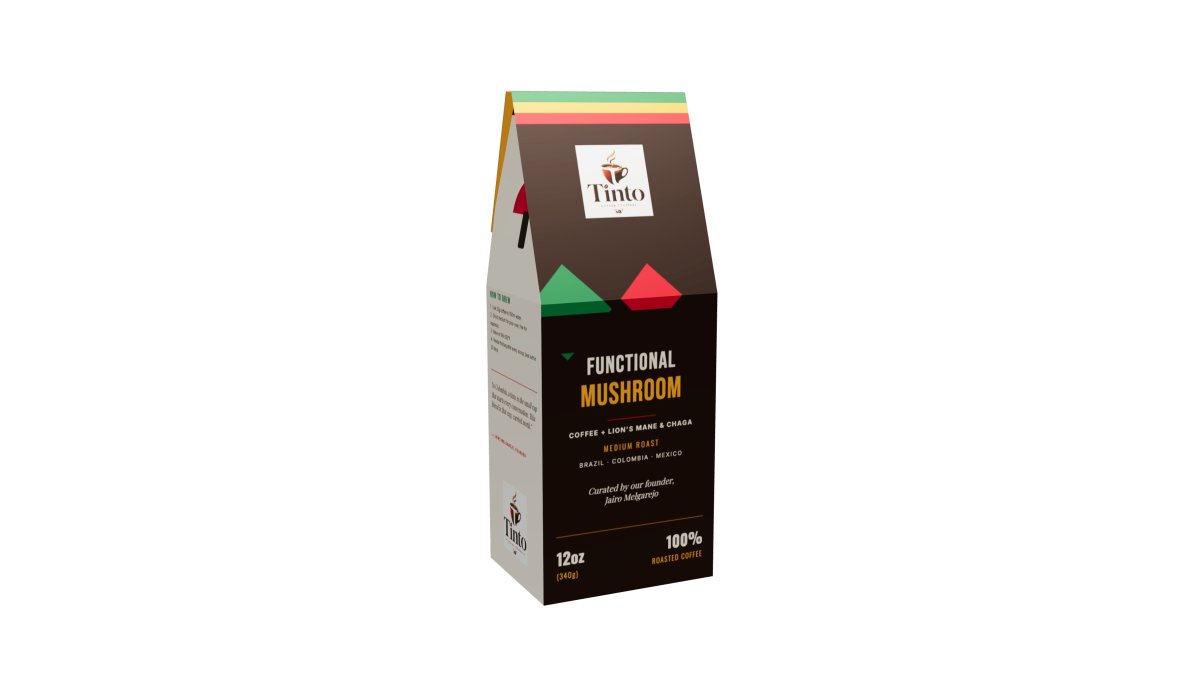
| Functional Mushroom | $29.99 | Ground, 12 oz box | Everyday drip with mushroom extracts |
| 12 OZ Organic Supreme Collection | $22.99 | Ground or whole bean | Flavor variety, cold brew, espresso |
1. Tinto Coffee Bag: Best for Whole Bean and Ground
The Tinto Coffee Bag is our top pick for most home brewers because one bag covers every brewing method.

What works: One bag handles drip, French press, espresso, pour-over, and cold brew. The brew guide on the bag gives grind and ratio for each method, so you don't have to guess.
What doesn't: At $24.99, it costs more per pound than supermarket coffee. That premium buys small-batch roasting and a roast date.
2. "The Sophia" Colombian Pods: Best for Single-Serve Convenience
If your mornings run on a single-serve machine, "The Sophia" Colombian Pods are the pick: single-origin Colombian beans grown at altitude, small-batch roasted, and oxygen-sealed for freshness.
What works: Full, even extraction in every pod, ready in under a minute, compatible with single-serve machines. No grinder, no scale, no cleanup.
What doesn't: Pods cost more per cup than brewing a bag.
3. Dos Orígenes: Best for Medium Roast Depth
Dos Orígenes blends Brazil and Mexico for a medium roast with deep cocoa, toasted nut, and a clean finish. Brazil brings body from Cerrado, processed pulped natural at 900-1,400 MASL; Mexico adds brightness from farms up to 1,800 MASL.

What works: Lion's Mane and Chaga extracts add subtle earthiness without overpowering the cocoa.
What doesn't: It's pod-only at 11g per pod.
4. Functional Mushroom: Best for Everyday Ground Coffee
Functional Mushroom is a 12 oz ground box built for daily drip, pour-over, and French press. Brazilian Cerrado beans bring chocolate and full body; Colombian beans from Huila and Cauca add clean brightness.
What works: Brews best at 195-205°F, the range most home machines already hit. The finish is round and full-bodied without edge.
What doesn't: It's the priciest option at $29.99.
5. 12 OZ Organic Supreme Collection: Best for Flavor Variety
The 12 OZ Organic Supreme Collection is for anyone who gets bored with one roast, in flavored and non-flavored versions from American Espresso and Breakfast Blend to Vanilla, Hazelnut, and Pumpkin Spice.
What works: Beans are hand-selected from Ethiopia, Colombia, Sumatra, and Brazil, so you can rotate origins without changing brands. Cold Brew and House Roast profiles cover most methods.
What doesn't:
Fair Trade Coffee Brands: What the Label Does and Doesn't Guarantee
Fair Trade coffee brands guarantee a minimum price and a social premium, protecting farmers from the worst market swings. That's genuinely valuable, but it is not a guarantee of quality, freshness, or flavor.
A Fair Trade logo tells you the trade terms met a floor, not the roast date, altitude, or whether the coffee tastes good, those come from the roaster.
Best Coffee for Home Brewing: Matching Beans to Your Method
The best coffee for home brewing is the one matched to your equipment, and grind matters most. The other half of the decision is which of the five picks suits your setup and what it costs per cup.
Grind and Ratio by Method
| Brewing Method | Grind | Ratio and Time |
|---|---|---|
| Drip / Auto-Brew | Standard | 1-2 tbsp per 6 oz, 195-205°F |
| French Press | Coarse | Steep 4 minutes, press slowly |
| Espresso | Espresso | 18-20g in, 36-40g out, 25-30 sec |
| Pour Over | Standard or coarse | Bloom 30 sec, total 3-4 min |
| Cold Brew | Coarse | 1:4 ratio, steep 12-24 hrs cold |
Store beans whole in an airtight container away from light and heat, and grind right before brewing. Freshly roasted coffee peaks within a few weeks of the roast date, which is why roast-to-order matters more than a long shelf life.
Which of the Five Picks Fits Your Setup
Not every ethical bag works for every brewer. Here is how the five picks map to common home setups.
- Pour-over and drip: The Tinto Coffee Bag (whole bean or ground) and the Functional Mushroom 12 oz ground box are the most flexible options, both hitting the 195-205°F range most home machines produce. Choose the Tinto Bag to grind fresh; Functional Mushroom for a pre-ground daily driver with mushroom extracts.
- French press: The Tinto Coffee Bag in whole bean form is the strongest fit, because you control the coarse grind. Pre-ground options work.
- Single-serve machines: "The Sophia" Colombian Pods and Dos Orígenes are the two pod options. Sophia is single-origin Colombian; Dos Orígenes is a Brazil-Mexico medium roast with cocoa and toasted nut notes at the lowest price here.
Price Per Cup: What Each Pick Actually Costs
Bag price is not the same as cost per cup. Here is the math using standard home-brewing ratios.
| Pick | Bag Price | Typical Yield | Approx. Cost Per Cup |
|---|---|---|---|
| Tinto Coffee Bag | $24.99 | ~30 cups (12 oz, 1:16 ratio) | ~$0.83 |
| "The Sophia" Colombian Pods | $24.99 | 12-24 cups (pod count dependent) | ~$1.04-$2.08 |
| Dos Orígenes | $19.99 | 12-24 cups (pod count dependent) | ~$0.83-$1.67 |
| Functional Mushroom | $29.99 | ~34 cups (12 oz, 1:16 ratio) | ~$0.88 |
| 12 OZ Organic Supreme Collection | $22.99 | ~26 cups (12 oz, 1:16 ratio) | ~$0.88 |
Whole-bean bags consistently land under a dollar per cup at home. Pods cost more per cup because you are paying for packaging, portioning, and convenience. If cost per cup is your priority, the Tinto Coffee Bag and the 12 OZ Organic Supreme Collection are efficient picks on the list.
Availability and Shipping
All five picks ship directly from the roaster, the pattern most small-batch ethical brands follow, you will not find them in most grocery chains.
For home brewers comparing ethical brands, the practical rule is simple: pick the format that matches your machine, then check the cost per cup, then confirm the roast date on arrival.
How We Evaluated These Ethical Coffee Brands
We scored each pick on four criteria: sourcing transparency, format fit for home brewing, freshness handling, and price per bag.
Format fit came second. A great bean in the wrong grind for your machine is a wasted bag.
Ethical coffee gets complicated fast, and most confusion comes from brands that hide behind logos instead of naming their farms.
Frequently Asked Questions
Which coffee company is the most ethical?
There is no single most ethical company, because ethics depend on what you prioritize: farmer pay, traceability, organic farming, or packaging. The strongest ethical coffee brands share three traits: they name their producing regions and cooperatives, they publish or explain how farmers are compensated, and they sell coffee fresh enough that smallholder farmers' work is not wasted in storage. Look for a stated roast date, a named origin, and clear sourcing details rather than a single logo on the bag.
How can I tell whether a coffee brand sources beans ethically?
Start with how much the brand tells you. Ethical coffee brands typically name the region or cooperative, describe the processing method, and explain the relationship with producers. Certifications such as Fair Trade or USDA Organic add third-party verification, but they are not the only signal. A brand that lists altitude, varietals, and processing details, like the 900 to 1,800 MASL range on Tinto's Dos Orígenes, is giving you concrete traceability you can check rather than vague claims.
Is Fair Trade coffee more ethical than direct trade?
They work differently. Fair Trade sets a minimum price and social standards verified by a third party, which protects producers when market prices fall. Direct trade means the roaster buys straight from farmers or cooperatives, often paying above commodity rates, but without a universal certification standard. Neither is automatically more ethical. The practical test is whether the brand can explain who grew the coffee and how they were paid, and whether that relationship is consistent batch to batch.
What is the best coffee to brew at home?
The best coffee for home brewing is freshly roasted, matched to your method, and stored well. For drip machines, a standard grind at 195 to 205°F works with most beans. French press needs a coarse grind and a four-minute steep. Pour-over benefits from a 30-second bloom. Freshness matters more than equipment: coffee roasted to order and sealed within days of roasting, like Tinto's small-batch bags, tastes noticeably better than beans that sat on a shelf for months.
What certifications should I look for when buying sustainable coffee?
The main ones are Fair Trade, USDA Organic, Rainforest Alliance, and Bird Friendly. USDA Organic covers pesticide use and farming practices, Fair Trade covers pricing and labor standards, and Rainforest Alliance addresses biodiversity and deforestation. No single certification covers everything, so combine them with what the brand discloses directly. Lab testing for mold, mycotoxins, and heavy metals, which some roasters publish, adds another layer of verification beyond farm-level certifications.