

Table of Contents
- What Actually Makes High Quality Coffee
- How to Choose Coffee Beans: A Criteria-Based Framework
- The Best Coffee Beans: Five Tinto Coffee Roasters Picks
- Single-Serve Coffee Pods: Convenience Without the Compromise
- The Best Coffee Brands: What Separates Roast-to-Order from Shelf-Stable
- Storage, Grind, and Brew: Keeping High Quality Coffee Fresh
- Frequently Asked Questions
Last Updated: October 7, 2026
What Actually Makes High Quality Coffee
High quality coffee is defined less by price and more by a short list of measurable traits: fresh roast date, clear origin, careful grading, and a flavor profile that stays consistent from bag to bag.
Most grocery shelves hide the one number that matters most: the roast date. A bag can carry a "best by" date a year out and still have been roasted months before it reached the shelf. Coffee starts losing its best aromatics within weeks of roasting, not months.
So what separates a genuinely great cup from an average one? Four things, in order of impact:
- Roast date, not expiration date, tells you how fresh the beans actually are
- Origin transparency, meaning you can name the region and farm practices behind the bean
- Grading and sorting for defects before roasting, which protects flavor consistency
Get those four right and the coffee tastes alive. Miss them and no brewing technique will save it.
How to Choose Coffee Beans: A Criteria-Based Framework
Choosing coffee beans comes down to scoring each bag against the same criteria instead of reacting to label language. Most roundups rank products for you; this framework lets you rank them yourself, using the same inputs a roaster or buyer would use.
Here is the framework we use when evaluating any roast:
| Criterion | What to Check | Why It Matters |
|---|---|---|
| Roast date | Printed date within the last 2-4 weeks | Freshly roasted beans retain aroma and sweetness |
| Roast level | Light, medium, or dark | Determines acidity, body, and bitterness |
| Origin | Named region or farm | Traceability signals quality control |
| Format | Whole bean, ground, or pod | Whole bean stays fresh longest; ground is convenient |
| Processing | Washed, natural, pulped natural | Shapes flavor clarity and sweetness |
| Dose per serving | Grams of coffee per cup or pod | Directly drives strength and cost per cup |
| Price per serving | Total bag price divided by number of cups | Normalizes premium pricing against everyday value |
Roast Level, in Plain Terms
Light roasts keep more of the bean's original acidity and fruit notes, and they tend to show origin character most clearly. Medium roasts balance sweetness and body, which is why they work well black and across most brewers. Dark roasts push toward cocoa and smoke, and they forgive a weaker brew method, but they also mask origin flaws, which is why a dark roast is a poor way to judge a bean's quality.
Origin and Processing
A named region or farm is a signal, not a guarantee. What you want is enough specificity that the roaster could tell you the country, the region, and ideally the washing station or cooperative. Processing matters just as much: washed coffees tend to taste cleaner and brighter, natural-process coffees tend to be fruitier and heavier, and pulped natural sits between them.
Format and Freshness Window
Whole bean stays fresh longest because the oils and aromatics stay protected until you grind. Pre-ground coffee is convenient but peaks within days of opening, so smaller bags bought more often beat one large bag stretched over two months. Pods sit in the middle: an oxygen-sealed pod holds aroma far longer than a loosely wrapped one, but only if the pod is dosed with enough coffee to extract properly.
Value: Cost Per Cup, Not Cost Per Bag
A $24.99 bag and a $19.99 bag are not directly comparable until you divide by the number of cups each one makes. A 12 oz bag of whole bean brewed at roughly 18 grams per cup yields about 19 cups, which works out to roughly $1.30 per cup at $24.99.

To run the math on any bag: take the bag price, divide by the number of grams in the bag, then multiply by the grams you use per cup. That single number lets you compare a specialty single-origin against a grocery-aisle blend on equal footing.
A Quick Scoring Method
Score each bag 1-5 on roast date freshness, origin specificity, processing clarity, format fit for your brewer, and cost per cup. A bag that scores well across all five is a better buy than one that wins on a single premium-sounding claim. This is the same logic a buyer uses when deciding whether a lot is worth the asking price, it just scales down to a single bag on your counter.
The Best Coffee Beans: Five Tinto Coffee Roasters Picks
The best coffee beans balance freshness, origin, and format against how you actually brew. Below are five picks from our own lineup, matched to different drinkers and brewing setups.
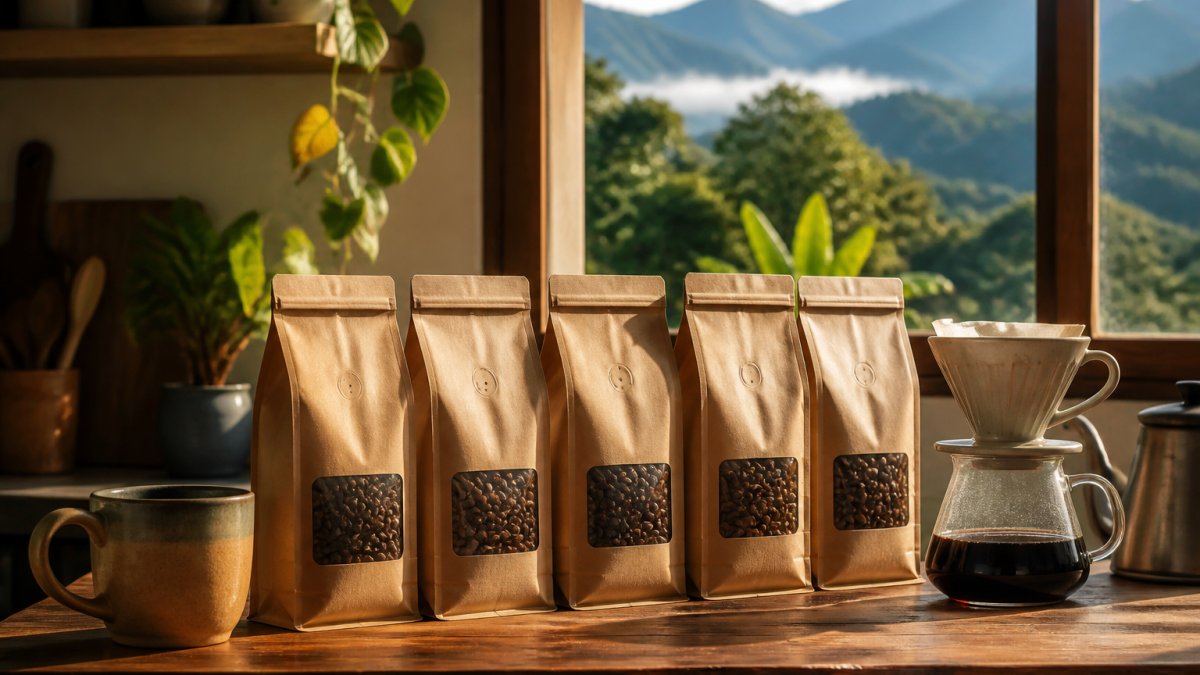
Tinto Coffee Bag
Our flagship bag is the simplest place to start. Every order is filled to order with freshly roasted specialty Colombian arabica, available as ground or whole bean, and sealed to lock in aroma from roast day to brew day.

At $24.99, it is the pick for someone who wants one dependable everyday coffee. The brew guide covers drip, French press, espresso, pour over, and cold brew, so you are not locked into one method.
12 OZ Supreme Finest Premium Collection
This 12 oz collection is the widest-ranging option we carry, at $22.99. You can choose flavored or non-flavored, and profiles run from American Espresso and Breakfast Blend to Cold Brew, House Roast, Vanilla, Chocolate, Hazelnut, Pumpkin Spice, and French Vanilla.
Beans are hand-selected from Ethiopia, Colombia, Sumatra, Brazil, and beyond. It suits a household where different people want different cups.
The Sophia Colombian Pods
"The Sophia" is our single-serve pod, priced at $24.99. It uses single-origin Colombian beans grown at altitude, small-batch roasted and oxygen-sealed for freshness, with full, even extraction designed into every pod.
The name comes from our founder's family story across Bogotá, Fort Collins, and Nashville. It is the pick for busy mornings when you want a real cup in under a minute.
Dos Orígenes
Dos Orígenes blends Brazil and Mexico into one medium roast, priced at $19.99. Brazil (Cerrado) brings cocoa, toasted nut, and a round low-acid finish; Mexico adds clean brightness from high-altitude farms.
It is also a mushroom coffee: Lion's Mane and Chaga extracts are blended into the grind. The pod format holds 11g, and the coffee is lab tested as mycotoxin free, heavy metal free, and mold and yeast free.
Blonde
Blonde is a sweet blend from Central America and Africa, priced at $22.99. We built it for sweet espresso, though it drinks well as drip too.
If you like a brighter, sweeter cup with less bitterness, this is the one to try first.
Single-Serve Coffee Pods: Convenience Without the Compromise
Single-serve coffee pods can deliver a genuinely good cup when the pod is built around fresh, well-sourced beans rather than whatever was cheapest to fill it with.
Two things decide pod quality. Second, the dose: a pod packed with enough coffee, like our 11g Dos Orígenes pod, extracts a fuller cup than a thin, underfilled one.

The Best Coffee Brands: What Separates Roast-to-Order from Shelf-Stable
The best coffee brands roast to order and ship quickly, while shelf-stable brands roast in large batches and let the bags sit in warehouses for months. That single difference in the supply chain explains most of the gap in your cup, but it is not the only thing separating a brand worth buying from one that just markets well.
The Freshness Clock
Roast-to-order means the coffee is roasted after you order, so the beans spend days, not months, getting to you. Shelf-stable coffee is built for longevity on a pallet, which usually means a longer gap between roast and brew. A roast date printed on the bag is the only honest way to verify which model a brand actually runs.
Traceability and Sourcing
Beyond freshness, the brands worth your money can answer a simple question: where did this coffee come from, and who grew it? Traceability means the roaster can name the country, the region, and ideally the farm, cooperative, or washing station behind a lot.
A common pattern among strong roasters is direct or relationship-based sourcing, where the roaster buys from the same producers season after season.
Processing and Grading as Brand Signals
Two more signals separate serious brands from commodity ones. First, processing transparency: does the brand tell you whether the coffee was washed, natural, or pulped natural? Second, grading: does it sort for defects before roasting? Defect sorting protects flavor consistency, and brands that skip it tend to produce cups that vary bag to bag.
Questions to Ask Any Brand
When you compare brands, ask these five questions:
- When was this roasted, and is that date printed on the bag?
- Can the brand name the region, farm, or cooperative behind the beans?
- Does it disclose the processing method?
If a brand cannot answer the first question, the rest rarely matter. If it can answer all five, you are looking at a brand that treats quality as a process rather than a label.
Storage, Grind, and Brew: Keeping High Quality Coffee Fresh
Keeping high quality coffee fresh comes down to four enemies: air, moisture, heat, and light.
Store beans in an airtight, opaque container at room temperature, away from the stove and the windowsill.
Grind matters just as much. Match the grind to your brewer: standard for drip, coarse for French press and cold brew, fine for espresso.
Freshness is a clock, not a label. A roast date within the last few weeks plus an airtight container beats any premium packaging claim.
Frequently Asked Questions
What is considered high quality coffee?
High quality coffee starts with specialty-grade arabica beans, a visible roast date, and consistent flavor from cup to cup. It should taste clean and sweet rather than bitter or flat, with enough body to drink black. Tinto Coffee Roasters grades every batch for flavor consistency and roasts to order within 48 hours, then seals each bag so the aroma survives shipping. Freshness and careful sourcing matter more than any single label on the bag.
Are single-serve coffee pods as good as whole-bean coffee?
Pods can taste just as good when the coffee inside is freshly roasted and oxygen-sealed. Tinto's Sophia pods use single-origin Colombian beans grown at altitude, small-batch roasted and sealed for peak freshness, with full, even extraction. Whole bean still gives you more control over grind size and brew method, but for busy mornings a well-made pod removes the guesswork without sacrificing flavor.
How can you tell if coffee beans are high quality?
Check three things: the roast date, the origin, and the flavor description. A bag without a roast date tells you nothing about freshness. Single-origin beans from a named growing region, like Tinto's Colombian arabica, usually carry more distinct tasting notes than a generic blend. Look for whole bean or freshly ground options sealed soon after roasting. If the beans smell flat or oily-stale when you open the bag, they sat too long.
Is freshly roasted coffee better than store-bought coffee?
Freshly roasted coffee tastes noticeably better because the oils and aromatics that carry flavor are still intact. Supermarket bags often sit for months before purchase, so the cup turns flat and bitter no matter how you brew it. Tinto roasts to order in small batches and seals each bag for freshness from roast day to brew day, which keeps the sweetness and aroma in the cup instead of the warehouse.
How should you store coffee to keep it fresh?
Keep beans in an airtight container away from light, heat, and moisture. A sealed bag stored in a cool cupboard works well for daily use. Avoid the refrigerator because condensation ruins the oils, and skip the freezer unless you portion beans into sealed bags for long-term storage. Buy only what you will drink in two to three weeks, and grind right before brewing for the best flavor.
Finding coffee that tastes as good on day twenty as it did on day one is the real challenge, and most supermarket bags simply cannot clear that bar. Tinto Coffee Roasters roasts to order within 48 hours, sources in small batches, and grades every lot for quality and flavor consistency, so your everyday cup stays worth having. If something does not land right, our satisfaction guarantee has you covered. Get started with Tinto Coffee Roasters and taste what roast-to-order actually means.