

Table of Contents
- Why Coffee Drinkers Switch to Premium Coffee Alternatives
- Best Single-Serve Coffee Pods Review
- How to Choose Fresh Coffee Beans for Your Brew Method
- Specialty Coffee Roasters Online: Direct-Trade and Ethical Sourcing
- Whole Bean and Ground Coffee Options
- What Sets Premium Coffee Alternatives Apart
- Conclusion
- Frequently Asked Questions
Last Updated: September 19, 2026
Why Coffee Drinkers Switch to Premium Coffee Alternatives
Many coffee drinkers reach a turning point when they discover specialty coffee roasters and premium coffee alternatives. They taste the difference immediately.
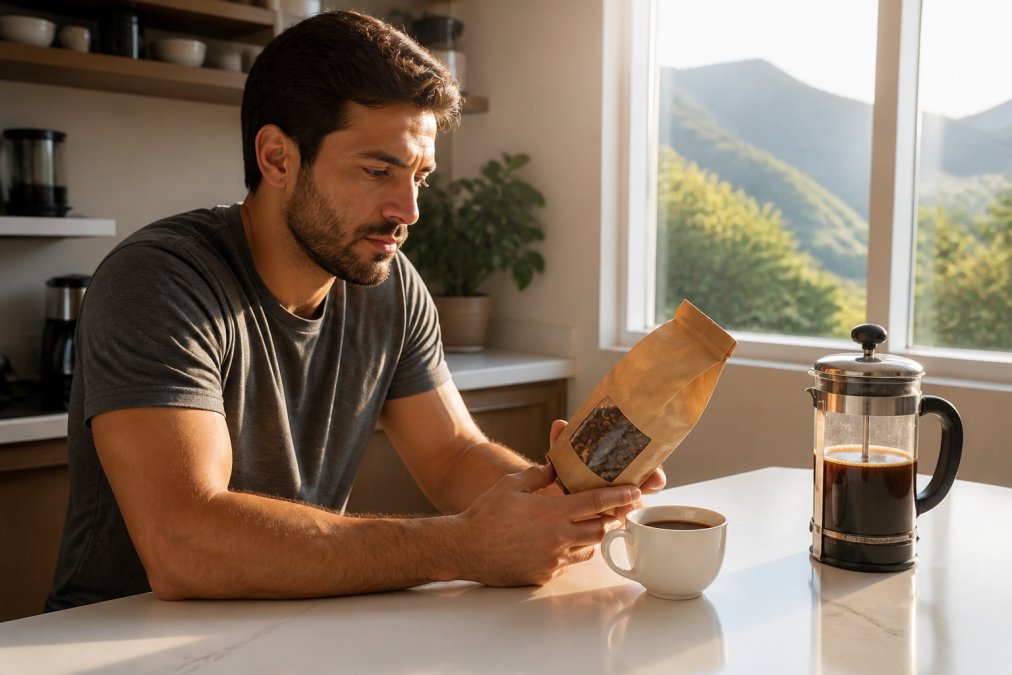
People switch for three reasons: flavor (single-origin beans roasted to order taste nothing like six-month-old supermarket cans), freshness (coffee roasted within 48 hours of arrival has unmistakable aroma and brightness), and values (direct-trade sourcing and transparent supply chains matter to conscious consumers).
At Tinto Coffee Roasters, we believe premium coffee reflects who you are and what you believe in.

The challenge is matching premium coffee alternatives to your brewing method, schedule, and palate, whether that's whole beans, single-serve pods, or specialty blends.
Best Single-Serve Coffee Pods Review
Single-serve pods offer convenience without compromise, no grinder, no measuring, seconds to clean. Quality has improved dramatically; specialty roasters now engineer extraction specifically for pod brewing.
Dos Orígenes: Dual-Origin Single-Serve Blend
Dos Orígenes blends Brazil (cocoa and toasted nut character) with Mexican high-altitude beans (clean brightness) for balanced, full-bodied extraction.
Each pod contains 11 grams of medium roast with Lion's Mane and Chaga mushroom extracts that add subtle earthiness without dominating the cocoa and nut flavors.
These pods work in any single-serve machine and deliver consistent extraction at $19.99 per box, one of the most accessible premium options.
Best for: People with busy mornings who refuse to sacrifice quality. Office workers who want better coffee than what the break room offers. Anyone with a single-serve machine already at home.
The Sophia Colombian Pods: Small-Batch Single-Origin
The Sophia is a single-origin Colombian pod designed to capture how coffee is consumed in Colombian culture, unhurried and intentional.
All beans come from Colombian altitude farms. Small-batch roasting to order and oxygen sealing ensure every cup tastes consistent and fresh.
The flavor profile is clean: balanced acidity, smooth body, and subtle fruit notes from Colombian altitude farming.
At $24.99 per box, The Sophia costs slightly more than the dual-origin option. You're paying for single-origin purity and the small-batch roasting process. For people who prefer simplicity and origin transparency, that's a meaningful difference.
Best for: Coffee enthusiasts who want to taste where their coffee comes from. People who appreciate the story behind their morning cup. Anyone who prefers single-origin to blended coffee.
How to Choose Fresh Coffee Beans for Your Brew Method
Choosing fresh coffee beans means understanding roast date, grind size, and roast profile. Get these right, and any brewer produces an intentional cup.
Roast Date and Freshness Indicators
Roast date is the most important quality indicator. Coffee loses brightness by two weeks and tastes stale by four weeks, regardless of bean quality.
Look for the roast date printed on the bag, not the "best by" date. Quality roasters print it clearly. If they can't tell you, buy elsewhere.
Whole beans stay fresher than pre-ground coffee because grinding increases surface area and speeds oxidation. Buy whole beans if you have a grinder; otherwise, buy pre-ground roasted as recently as possible.
Matching Grind Size to Your Equipment
Grind size determines extraction speed: too fine creates bitterness, too coarse creates sourness. The right size depends on your brewing method.
Espresso needs fine grind (maximum surface area for quick pressure extraction). Drip needs medium grind (slower extraction over minutes). French press needs coarse grind (prevents over-extraction during four-minute steep).
Buy pre-ground coffee matched to your brewing method. Tinto Coffee Roasters offers whole bean and multiple grind options for some coffees, removing guesswork and guaranteeing consistency.
Understanding Roast Profiles and Flavor Notes
Roast profile changes flavor: light roasts preserve origin characteristics (acidity and brightness), medium roasts balance origin with roasted flavors, dark roasts emphasize chocolate and body.
Flavor notes describe what emerges from roasting: "chocolate and almond" indicates cocoa-like sweetness and nutty character; "citrus and floral" indicates preserved bright, fruity origin notes.
Black coffee drinkers often prefer medium roasts; milk drinkers prefer darker roasts with fuller body. There's no correct choice, only preference.
Specialty Coffee Roasters Online: Direct-Trade and Ethical Sourcing
Specialty coffee roasters online enable direct-trade and ethical sourcing. You can buy from roasters with direct farm relationships who know the story behind every bag.
Direct-trade means roasters buy directly from farmers, cutting out middlemen. Farmers receive higher prices, and roasters get better quality through personal selection. It's a relationship-based business model, not a certification.
Ethical sourcing verifies fair pay, safe working conditions, and sustainable practices. Some roasters pursue formal certifications.
Buying from specialty roasters online offers transparency: you see the farm name, altitude, processing method, and sometimes the farmer's name. For many, this matters as much as flavor.
The Fair Trade USA certification standards for coffee farming outline what ethical sourcing means at scale. The Specialty Coffee Association's cupping standards define how quality is measured in the specialty coffee industry. Understanding these standards helps you evaluate what roasters claim about their sourcing.
Whole Bean and Ground Coffee Options
Whole bean coffee lets you grind fresh; ground coffee offers convenience. The choice depends on whether you have a grinder and your morning time.
Tinto Coffee Bag: Flexible Grind Choices
The Tinto Coffee Bag lets you choose whole bean or pre-ground, with grind size matched to your brewing method. Every bag is filled to order with freshly roasted specialty Colombian arabica and sealed immediately.
Whole bean works for anyone with a grinder; pre-ground options (standard, coarse, espresso) work for those without a grinder or who prioritize speed.
The bag features beautiful packaging, clear roast date, and brew guide. At $24.99, it's a premium offering backed by quality.
Best for: People who want flexibility. Coffee enthusiasts who own a grinder and want to grind fresh. Gift-givers who want to send something that looks and tastes special.
Functional Mushroom: Specialty Blend with Added Depth
Functional Mushroom blends Brazilian beans (chocolate and full body) with Colombian altitude beans (clean brightness and balanced structure) in a medium roast.
Lion's Mane and Chaga mushroom extracts add subtle earthiness without dominating cocoa and almond flavors, creating a round, full-bodied finish.
This ground coffee (12-ounce box) is designed for drip, pour-over, and French press. Lab testing confirms it's mycotoxin-free, heavy metal-free, and mold-free.
At $29.99, this is the premium option in the lineup. You're paying for the dual-origin blend, the mushroom extracts, and the lab testing that verifies safety and quality.
Best for: People curious about functional coffee but who don't want to sacrifice taste for it.
Tinto Tube: Portable Premium Coffee
The Tinto Tube is 54 grams of premium small-batch ground coffee in a sleek, airtight portable tube. Think of it as your morning ritual, miniaturized. It fits in a gym bag, a carry-on, a desk drawer. No bulky bags. No messy scoops. Just the right amount of exceptional coffee, sealed fresh.
| Format | Best For | Brewing Methods | Price |
|---|---|---|---|
| Single-Serve Pods | Speed and consistency | Any single-serve machine | $19.99-$24.99 |
| Whole Bean | Freshness and ritual | Grinder required | $24.99 |
| Pre-Ground | Convenience | Drip, pour-over, French press | $24.99-$29.99 |
| Portable Tube | Travel and portability | Drip, pour-over, AeroPress | $24.99 |
What Sets Premium Coffee Alternatives Apart
Premium coffee alternatives stand apart because of how they're sourced, roasted, and delivered. Mass-market coffee is optimized for shelf stability and profit margin. Premium coffee is optimized for flavor and freshness.
Conclusion
Choosing a premium coffee alternative means deciding what matters most to your morning: convenience, flavor, freshness, or values. The options above represent different answers to that question.
Frequently Asked Questions
How do I know if a specialty coffee roaster's beans are actually fresher than supermarket options?
Fresh specialty coffee roasters list the roast date on every bag. Look for beans roasted within 2-4 weeks of purchase. Tinto roasts to order within 48 hours and ships immediately, meaning your coffee reaches you at peak freshness. Supermarket beans are often weeks or months old. Check the batch reference number and roast temperature details, transparency about roast specifics signals a roaster that prioritizes quality.
What's the actual difference between light, medium, and dark roast profiles?
Roast profile determines flavor and body. Light roasts preserve origin characteristics and acidity, highlighting single-origin notes. Medium roasts balance brightness with body, popular for everyday drinking and work well in drip machines. Dark roasts develop deeper chocolate and nutty notes with lower acidity. Medium roasts like Tinto's Functional Mushroom and Dos Orígenes work across most brewing methods without requiring specialty equipment.
Can I brew premium single-serve pods in a regular drip machine, or do I need a pod-compatible brewer?
Single-serve pods are designed for compatible pod machines, but you're not locked into specialty equipment. Many premium roasters offer ground coffee in multiple grind sizes for flexibility. Tinto offers The Sophia Colombian Pods for pod machines, plus whole bean and ground options in the Tinto Coffee Bag. Choose the format that matches your current brewing setup.
How do I verify that a coffee brand actually pays farmers fairly?
Look for direct-trade relationships, fair-trade certification, or detailed sourcing information. Tinto sources from cooperative farms in Colombia's Huila and Cauca regions with documented altitude and processing methods. The brand lists varietals, processing techniques, and lab testing results. Transparent roasters publish their sourcing practices and often highlight farmer partnerships. Avoid vague claims like 'ethically sourced' without specifics.