

Table of Contents
- What Makes a Coffee Bean Great for Drip Machines
- Quick Comparison: Top Picks for Drip Brewing
- Why Medium Roast Coffee Beans for Drip Are the Sweet Spot
- How to Grind Coffee for Drip Machine Brewing
- The Freshness of Coffee Beans for Drip: Why Roast Date Matters
- Water Quality and Ratio: The Underrated Factors
- Troubleshooting Bitter or Sour Drip Coffee
- Frequently Asked Questions
Last Updated: September 17, 2026
What Makes a Coffee Bean Great for Drip Machines
The best coffee beans for drip machines are freshly roasted, medium-roast arabica beans ground to a medium setting, because drip brewing needs beans with enough soluble material to survive a full brew cycle without turning bitter or hollow. This guide from Tinto Coffee Roasters breaks down roast level, grind size, freshness, and water quality, then shows you which beans to buy.

A common mistake is buying dark, oily beans because they smell strong in the bag. Those oils turn harsh in a drip basket, and the cup tastes flat and ashy.
Quick Comparison: Top Picks for Drip Brewing
Here's how the Tinto lineup performs in a standard drip machine.
| Coffee | Price | Roast | Format | Best For |
|---|---|---|---|---|
| Tinto Coffee Bag | $24.99 | Medium | Whole bean or ground | Everyday drip, any machine |
| Dos Orígenes | $19.99 | Medium | Single-serve pod | Convenience without a grinder |
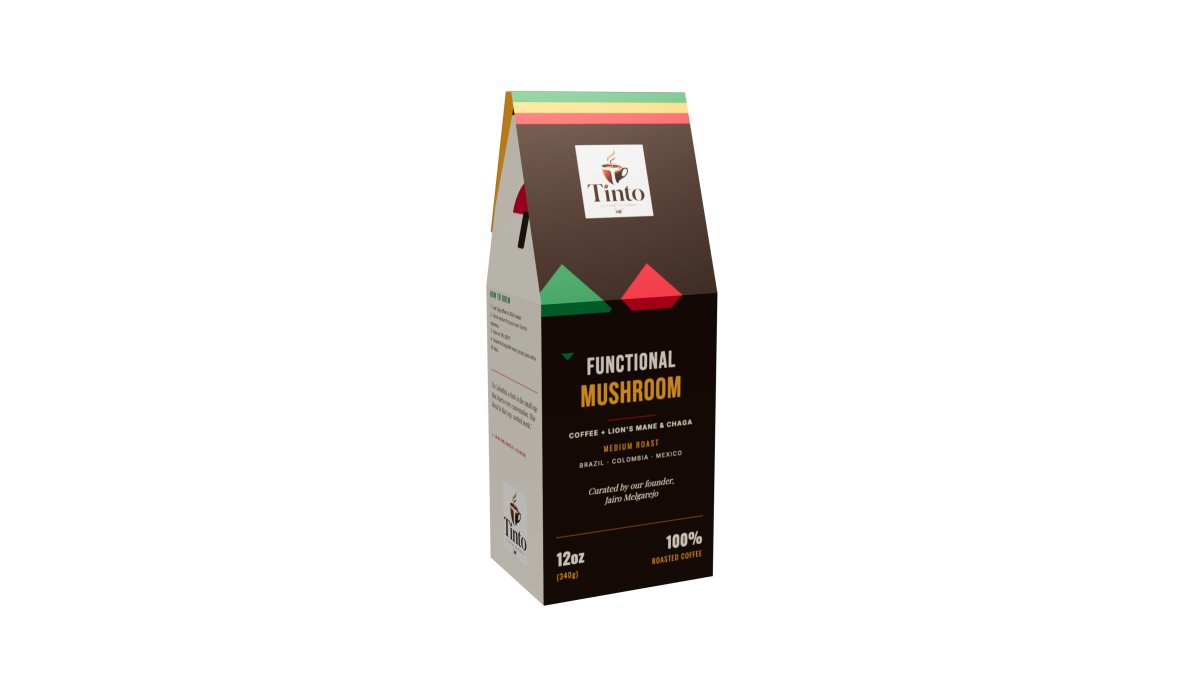
| Functional Mushroom | $29.99 | Medium | Ground, 12 oz | Depth and body in a drip basket |
| French Vanilla | $24.99 | Medium | Ground or whole bean | Flavored drip without added sugar |
Why Medium Roast Coffee Beans for Drip Are the Sweet Spot
Tinto roasts its core lineup for this reason: Dos Orígenes and Functional Mushroom are built for the machine on your counter.

How to Grind Coffee for Drip Machine Brewing
Learning how to grind coffee for drip machine brewing comes down to one rule: aim for a medium grind that looks like coarse table salt. Too fine and the water stalls and over-extracts; too coarse and it runs through without pulling enough flavor.
Grind size is the single biggest variable you control:
- Medium grind: the default for flat-bottom and cone drip baskets
- Slightly coarser: for machines with a fast flow rate or a large basket
- Slightly finer: for machines that brew slowly or use a smaller basket
- Pre-ground: check the bag label, since a "standard" or "drip" setting is usually already correct
The Freshness of Coffee Beans for Drip: Why Roast Date Matters
The freshness of coffee beans for drip brewing matters more than most buyers realize: roasted coffee starts losing aroma within days and peaks roughly 4 to 14 days after the roast date. A bag with no roast date can't be evaluated.
Water Quality and Ratio: The Underrated Factors
Water quality and the water-to-coffee ratio are the two variables most drip drinkers never adjust, and they're often why a good bag still produces a mediocre cup. Coffee is roughly 98 percent water, so the water itself is a flavor ingredient. The right ratio depends on your machine's brew cycle time, and the right water on its mineral chemistry.
Calibrating Ratio to Your Machine's Brew Cycle
A drip machine's brew cycle time, from pump start to last drop, determines how much contact the water has with the grounds. A fast machine (under 4 minutes) extracts less per pass; a slow machine (6 minutes or more) extracts more.
- Fast cycle (under 4 minutes): Use the higher end of the ratio, closer to 2 tablespoons per 6 ounces, and grind slightly finer. The short contact time needs more coffee and more surface area to reach full extraction.
- Average cycle (4 to 6 minutes): The standard 1 to 2 tablespoons per 6 ounces works. Grind medium.
- Slow cycle (over 6 minutes): Use the lower end, closer to 1 tablespoon per 6 ounces, and grind slightly coarser. A long contact time with a full dose over-extracts and turns bitter.
Why Water Chemistry Matters More Than You Think
Chlorine and chloramine. Tap water is treated with chlorine or chloramine to kill bacteria, and those compounds flatten coffee's aromatics, which is why tap water can make even a freshly roasted medium roast taste dull and papery. A basic carbon filter removes most chlorine; chloramine is harder to remove and may need a catalytic carbon filter. If your water smells like a swimming pool, that's chlorine; if it smells faintly of bleach even after sitting out, it's likely chloramine.
Tinto roasts its core lineup to medium for a reason: medium roasts are the most forgiving across the widest range of water chemistry and cycle times. Starting with a medium roast and filtered water removes two of the biggest variables before you open the bag.
Troubleshooting Bitter or Sour Drip Coffee
Bitter or sour drip coffee almost always traces back to extraction, not the beans. Sour means under-extracted, bitter means over-extracted, and both are fixable without buying anything new.
The Extraction Order of Operations
When hot water hits coffee grounds, it pulls flavor compounds in a rough sequence:
- First: acids and fruity, bright notes, these dissolve fastest
- Next: sugars and sweetness, these need more contact time
- Last: bitter, dry, ashy compounds, these come out only with prolonged contact
A Diagnostic Framework
Work through the likely causes in order. Change one variable at a time and taste after each change.
| Problem | Likely Cause | Fix |
|---|---|---|
| Sour, thin cup | Grind too coarse, water too cool, cycle too fast | Grind finer, check brew temperature, increase dose slightly |
| Bitter, ashy cup | Grind too fine, too much coffee, cycle too slow | Grind coarser, reduce dose, check for scale buildup |
| Weak but harsh | Old beans, poor water, uneven grind | Check roast date, switch to filtered water, use a burr grinder |
| Inconsistent cup | Uneven grind, dirty basket, inconsistent dose | Use a burr grinder, rinse the basket, weigh your coffee |
| Sour then bitter in the same cup | Channeling, water finding a path through the grounds | Level the bed, use a slightly coarser grind, avoid overfilling the basket |
Why Sourness Shows Up First
Sourness shows up first because under-extraction pulls acids before sugars. If your cup tastes like lemon with no sweetness behind it, your grind is probably too coarse or your machine isn't hitting temperature. A fast cycle compounds this: water passing through in under 4 minutes may not reach the sugars at all.
Why Bitterness Is the Opposite Failure
Bitterness is the opposite failure: when water stays in contact with the grounds too long, it pulls out sharp, dry compounds. A finer grind, a larger dose, or a slow machine all push you there. Old coffee can also cause it, stale oils oxidize into harsh compounds, so if a fresh grind and coarser setting don't fix it, check the roast date.
The Variables You Can Control
- Grind size: the single biggest lever. Medium is the default; adjust finer for sour, coarser for bitter.
- Dose: 1 to 2 tablespoons per 6 ounces of water. More coffee means more extraction; less means less.
- Water temperature: 195 to 205 degrees Fahrenheit. Cooler water under-extracts; boiling water scorches.
- Contact time: determined by your machine's cycle and your grind. Faster cycle needs finer grind; slower cycle needs coarser.
Frequently Asked Questions
What grind of coffee is best for a drip coffee maker?
Use a medium grind, similar to the texture of table salt. This works for most drip coffee makers because it allows water to flow through evenly during the brew cycle, extracting balanced flavor without clogging the filter. If your coffee tastes weak or watery, try a slightly finer grind. If it tastes bitter or over-extracted, go coarser. The Tinto Coffee Bag offers a standard grind specifically for drip and auto-brew machines.
Should I use whole bean or pre-ground coffee for drip machines?
Whole bean coffee stays fresh longer because the oils and aromas are protected inside the bean. Once ground, coffee begins losing flavor within minutes due to oxidation. If you grind right before brewing, you get the fullest flavor profile. Pre-ground works fine if you use it within a week or two and store it in an airtight container away from light and heat. The Tinto Coffee Bag comes in both ground and whole bean options.
Does roast level affect how coffee tastes in a drip machine?
Yes, significantly. Medium roast coffee beans tend to produce a balanced cup with sweetness, acidity, and body in harmony. Dark roasts can taste smoky or bitter in a drip machine because the longer roast already developed those flavors. Light roasts may taste sour or underdeveloped if the drip machine does not reach the right brewing temperature. Medium roast is often a safe choice for consistent results.
How does freshness impact the quality of drip coffee?
Freshly roasted coffee reaches peak flavor about 4 to 14 days after the roast date. After that, oxidation and degassing gradually flatten the aroma and complexity. For drip brewing, using beans within three to four weeks of roasting makes a noticeable difference in the cup. Look for a roast date on the bag, not just a best-by date, and buy from roasters who roast to order.
Are single-origin beans better than blends for drip brewing?
Both work well, but they serve different purposes. Single-origin beans highlight one region's specific flavor profile, like the bright acidity of Colombian arabica or the chocolate notes of Brazilian beans. Blends combine origins to create a more consistent, balanced cup that works across many brewing methods. For drip machines, a well-crafted blend often delivers more reliable results because the roaster has already balanced the flavors.