

Table of Contents
- What Ethical Sourcing Means in Coffee Today
- Fair Wages and Labor Conditions: The Foundation
- Traceability in Specialty Coffee: From Farm to Cup
- Direct Trade Coffee Benefits and Economic Impact
- Building a Sustainable Coffee Supply Chain
- Certification Standards and Verification Methods
- What Consumers Should Know Before Buying
- Frequently Asked Questions
Last Updated: September 29, 2026
What Ethical Sourcing Means in Coffee Today
Ethical sourcing in coffee refers to the practice of purchasing beans through supply chains that prioritize fair compensation for farmers, environmental stewardship, and transparent business practices. At Tinto Coffee Roasters, we believe ethical sourcing coffee goes beyond certification labels, it's about knowing who grew your coffee and ensuring they're treated as partners, not suppliers.
The coffee industry has a complicated history. For decades, farmers in Colombia, Ethiopia, and Central America received commodity prices that barely covered production costs while roasters and retailers captured most of the margin. Ethical sourcing flips that model: it demands that farmers earn living wages, that land is managed sustainably, and that supply chain transparency replaces opacity.
Regulatory pressure intensified. Consumer awareness shifted from niche to mainstream. And technology finally caught up, making traceability verifiable instead of aspirational. Today, ethical sourcing coffee isn't a marketing angle, it's becoming table stakes for specialty coffee businesses that want to compete.
The distinction matters because not all "responsible" coffee claims are equal. Some roasters use certifications as cover without investigating actual conditions. Others invest in direct relationships with farming families but lack formal documentation. The most credible approach combines both: verified standards AND direct knowledge of the people producing your coffee.
Fair Wages and Labor Conditions: The Foundation
Fair compensation is the cornerstone of ethical sourcing. A farmer earning a living wage can invest in soil health, equipment, and their family's education instead of depleting land to survive year to year. This creates stability for both the farmer and the roaster's supply.
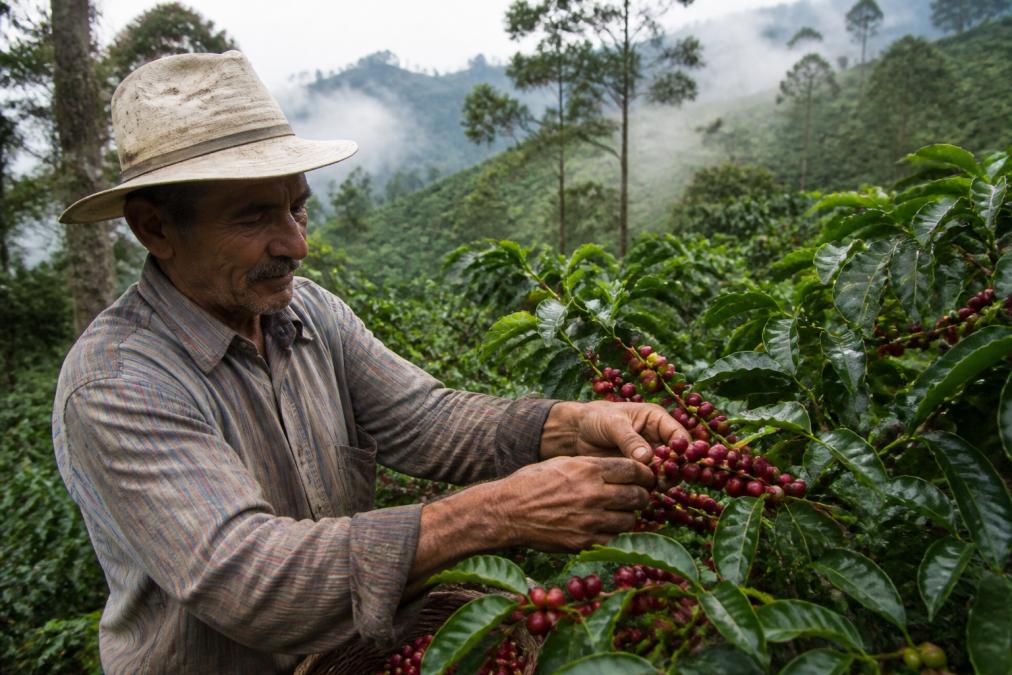
What constitutes a living wage varies by region and cost of living. In Colombia's coffee-growing regions like Huila and Cauca, where Tinto Coffee Roasters sources directly, a living wage typically means compensation that covers food, housing, healthcare, and education without forcing farmers to work multiple jobs or rely on child labor.
Labor conditions extend beyond wages. Ethical sourcing includes safe working environments, reasonable hours, and protection from exploitative practices. Smallholder farmers, who represent the majority of coffee growers globally, often work family farms where labor boundaries blur, but fair practices still apply: no forced labor, no child labor, and access to basic safety equipment.
The challenge is verification. A roaster's claim about fair wages means nothing without documentation. Look for roasters that share specific payment data, farmer names, or third-party audits. Tinto Coffee Roasters publishes sourcing details for our Colombian beans, including the cooperatives and altitudes where our coffee is grown, because transparency builds trust.
Traceability in Specialty Coffee: From Farm to Cup
Traceability in specialty coffee means you can follow your beans from a specific farm, through processing and export, to the roaster's facility. This transparency serves multiple purposes: it proves ethical claims, ensures quality consistency, and creates accountability at every step.
Technology has revolutionized traceability. Blockchain systems, QR codes on bags, and digital ledgers now allow consumers to scan a coffee package and see the exact farm, elevation, harvest date, and farmer name.
The traceability chain typically includes these checkpoints: farm location and altitude, processing method and facility, export documentation, importer records, roaster batch number, and roast date. Each step creates a data point. When a roaster claims "single-origin Colombian coffee from Huila at 1,800 MASL," traceability confirms whether that's accurate or marketing language.
For consumers, traceability answers the question: "Where does this actually come from?" For roasters, it answers: "Can I verify what I'm selling?" For farmers, it proves their coffee commands a premium price because its origin and quality are documented.
Tinto Coffee Roasters includes roast batch references and first-crack temperatures on our packaging, details that seem technical but signal full supply chain visibility. When you see "MSH072125 · First crack at 10:16 · Finish temp 408°F" on our Functional Mushroom blend, you're seeing proof that we track and control every stage of the coffee's journey.

Direct Trade Coffee Benefits and Economic Impact
Direct trade relationships cut out middlemen between farmer and roaster. Instead of selling to a cooperative, which sells to an exporter, which sells to an importer, which sells to a roaster, the farmer sells directly to the roaster. This simplification has profound economic effects.
The direct trade coffee benefits model works like this: roasters pay farmers a negotiated price in exchange for consistent quality and long-term relationships. Farmers know their income months in advance, which enables planning and investment. Roasters get beans traceable to a specific farm, which strengthens their brand story and justifies premium pricing to consumers.
For smallholder farmers, direct trade can mean the difference between subsistence and prosperity. Through direct trade, a family could earn enough to send children to secondary school, upgrade farming equipment, or diversify crops for resilience.
The economic impact extends beyond individual farms. Direct trade relationships build local economic stability. When roasters commit to buying from specific regions year after year, those regions invest in infrastructure, processing facilities, and education. Communities become less dependent on volatile commodity markets.
However, direct trade isn't perfect. It requires roasters to have capital for advance payments, relationships with farmers, and the logistics to manage small-volume imports. Roasters can't scale infinitely while maintaining direct relationships.
Building a Sustainable Coffee Supply Chain
A sustainable supply chain balances environmental stewardship, social responsibility, and economic viability. Coffee farming affects vast areas, globally, coffee is grown on roughly 27 million acres, so supply chain choices ripple across ecosystems and communities.
Environmental sustainability in coffee means protecting soil health, managing water use, and minimizing chemical inputs. Many coffee farms are shifting toward regenerative agriculture: practices like shade-grown coffee (where coffee plants grow under native tree canopy), composting, and reduced pesticide use that restore soil instead of depleting it.
The carbon footprint of coffee includes farming, processing, export, roasting, and shipping. Sustainable supply chains address each stage. Farms reduce emissions by using renewable energy. Processors recover water. Roasters source from nearby regions when possible.
Water management is critical. Coffee processing uses significant water, and many growing regions face water scarcity. Ethical sourcing includes investment in water-efficient processing methods and protection of local water sources. When Tinto Coffee Roasters sources from Colombian cooperatives, we prioritize partners using washed processing.
Building a sustainable supply chain also means economic viability for all participants. A roaster can't demand environmental practices if farmers can't afford to implement them. Ethical sourcing links sustainability to fair compensation: farmers earn enough to invest in soil conservation, water management, and diversified crops that reduce risk.
Certification Standards and Verification Methods
Certification provides third-party verification that coffee meets specific standards. Common certifications include Fair Trade, Rainforest Alliance, UTZ (now Nespresso's standard), and organic. Each has different criteria, audit frequency, and cost.
Fair Trade certification requires minimum prices, democratic farmer organizations, and social investments (Fairtrade standards). Rainforest Alliance focuses on environmental practices and worker conditions. UTZ emphasizes traceability and supply chain management. Organic certification verifies that coffee is grown without synthetic pesticides or fertilizers.
The challenge: certifications don't guarantee the highest standards. A coffee can be Fair Trade certified and still pay farmers below a true living wage.
Verification methods beyond certification include direct audits (roasters visiting farms personally), blockchain documentation, and third-party supply chain audits.
What Consumers Should Know Before Buying
Ethical sourcing is a purchasing decision, not just a moral stance. Understanding what you're actually buying, and what trade-offs exist, helps you make choices aligned with your values.
| Ethical Sourcing Element | What It Means | Why It Matters |
|---|---|---|
| Fair wages | Farmers earn compensation covering living costs | Enables investment in land and family; breaks poverty cycle |
| Traceability | You can identify the farm, altitude, and harvest date | Proves authenticity; enables accountability at each step |
| Direct trade | Roaster buys directly from farmer, eliminating middlemen | Farmers capture more margin; roasters get consistent quality |
| Certification | Third-party verification of standards (Fair Trade, Rainforest Alliance, etc.) | Provides baseline assurance; audits verify claims |
| Sustainability practices | Regenerative agriculture, water management, carbon reduction | Protects ecosystems; ensures long-term farm viability |
| Transparency | Roaster shares sourcing details, payment terms, farmer names | Builds consumer trust; holds supply chain accountable |
Frequently Asked Questions
How can I verify that ethical sourcing claims on coffee packaging are actually true?
Look for third-party certifications like Fair Trade or Rainforest Alliance on the bag. Ask roasters directly for their supply chain documentation, farmer names, and payment records. Reputable brands like Tinto Coffee Roasters provide roast batch references and traceability details. Direct trade relationships often come with transparency reports showing farm locations and transaction records.
What's the difference between direct trade coffee and fair trade certification?
Direct trade eliminates middlemen, allowing roasters to buy directly from farmers and often pay premiums above fair trade minimums. Fair trade certification guarantees minimum prices and labor standards through a third-party auditor. Direct trade offers higher potential payouts for farmers but requires roasters to build relationships and verify conditions themselves. Both approaches aim to improve farmer income, but direct trade typically results in higher per-pound payments when executed well.
Does buying ethically sourced coffee actually cost more?
Yes, ethically sourced coffee typically costs more. This reflects fair wages for farmers, sustainable farming practices, traceability systems, and smaller-batch processing. Premium specialty options like Tinto Coffee Roasters' single-origin Colombian beans ($24.99 per bag) cost more because farmers receive living wages, environmental stewardship is prioritized, and beans are roasted fresh to order. The price difference directly funds better conditions for farming families and environmental resilience.
What role does supply chain transparency play in ethical coffee sourcing?
Transparency allows consumers and businesses to verify ethical claims at every step: from farmer identity and payment records to processing methods and altitude. It creates accountability for roasters and exporters. Traceability systems track beans from specific farms through milling and roasting. This visibility helps consumers make informed choices and ensures farmers actually receive promised payments.