

Table of Contents
- What Is So Special About Colombian Coffee
- Flavor Profile Characteristics of Single-Origin Colombian Beans
- Best Brewing Methods for Colombian Beans
- How to Choose High Quality Coffee Beans
- Sustainability and Coffee Grower Culture
- How Colombian Coffee Compares to Other Origins
- The Verdict: Is Colombian Coffee the Best?
- Frequently Asked Questions
Last Updated: September 3, 2026
What Is So Special About Colombian Coffee
Colombian coffee's geography, equatorial position, three mountain ranges, and volcanic soil, creates microclimates where arabica beans develop complex flavor profiles. This is terroir at work.
Colombian coffee excels in consistency and balance: smooth enough to drink black, complex enough to reward attention, and forgiving across brewing methods.
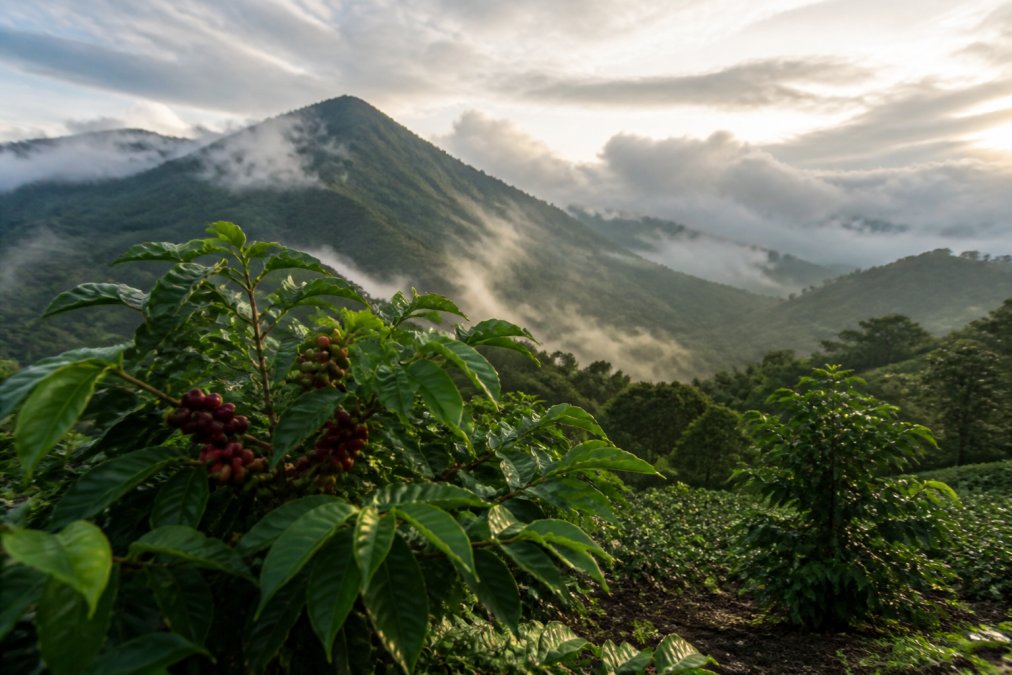
Altitude, Volcanic Soil, and Terroir
Coffee grown at 1,200-1,800 meters develops slowly, building complexity. Volcanic soil in Huila and Cauca adds mineral notes and natural acidity that define Colombian single-origin profiles.
The Washed Process and Flavor Development
Most Colombian coffee uses the washed process: fruit removed immediately after harvest, beans dried slowly. This emphasizes inherent flavors and produces the clean, bright acidity Colombian coffee is known for.
Flavor Profile Characteristics of Single-Origin Colombian Beans
A well-roasted Colombian bean delivers balanced sweetness with bright acidity, medium body, and notes of caramel, nuts, and citrus, approachable and refined.
The acidity is clean brightness, a signature of high-altitude, washed-process beans that makes your mouth water. The medium body works across brewing methods.
Micro-lots with cupping scores above 85 show pronounced flavor complexity: layered notes, subtle sweetness, and lingering finish.
Best Brewing Methods for Colombian Beans
Drip and Pour-Over Brewing
Drip and pour-over methods work well for Colombian beans. Brew at 195-205°F with 1-2 tablespoons per 6 ounces of water (peer-reviewed research).
Pour-over gives more control: a 30-second bloom and 3-4 minute total brew time highlights caramel notes and bright acidity.
French Press and Cold Brew
French press (coarse grind, 4-minute steep) brings out body and oils, producing fuller mouthfeel and pronounced sweetness.
Cold brew (12-24 hours) produces smooth, naturally sweet concentrate with chocolate and nutty notes.
How to Choose High Quality Coffee Beans
Quality varies by freshness, roast date, sourcing transparency, and sourcing model.
Cupping Scores, Micro-Lots, and Freshness Verification
Specialty coffee is graded on a standardized scale: 80+ indicates specialty-grade; 85+ signals exceptional quality with pronounced complexity (sca.coffee).
Micro-lots are small, distinct harvests from a specific farm, representing the grower's best work and ensuring known sourcing.
Coffee peaks 5-14 days after roasting and remains excellent for 30 days. Check the roast date; beans over 60 days old taste flat and dull.
Direct Trade vs. Fair Trade: Understanding the Economic Model
Two certification models dominate ethical sourcing conversations, and they work very differently.
Fair Trade certification guarantees a minimum price floor ($1.40-$1.50 per pound for washed arabica) and requires labor and environmental compliance. It adds 10-15 cents per pound to farmer revenue but certification fees burden small growers, and the price floor doesn't reward exceptional quality.
Direct trade is a direct relationship between roaster and farmer at premium prices ($2.50-$4.00+ per pound for specialty lots). It builds accountability through personal relationships but requires trusting the roaster's integrity.
Fair Trade offers standardized assurance; direct trade offers higher farmer income. Many roasters publish direct-trade relationships publicly, providing accountability through transparency.
Reading the Label for Quality Signals
Look for these markers on the bag:
- Roast date (non-negotiable; within 14 days is ideal)
- Cupping score (85+ for specialty grade)
- Farm or cooperative name (signals traceability)
- Altitude (1,200-1,800 meters is the Colombian sweet spot)
- Processing method (washed, natural, honey-processed)
- Harvest year (current-year harvests taste fresher)
- Direct-trade or Fair-Trade badge (indicates sourcing model)
If a bag lists the farmer's name and the roaster's direct-trade relationship, you're holding coffee with full supply-chain transparency. That level of detail costs more but means your purchase directly supports the grower.
Sustainability and Coffee Grower Culture
Colombian coffee culture is built on family farms and cooperatives. Regional differences in altitude, soil, and climate create distinct profiles and sustainability challenges.
Regional Variations and Their Flavor Impact
Three major coffee regions dominate Colombian production, each with its own character:
Huila (1,200-2,000 m) produces bright acidity, balanced sweetness, caramel and citrus notes. Accounts for ~20% of production. Sustainability focus: water management.
Nariño (1,600-2,200 m) produces pronounced acidity, floral notes, and complex sweetness. Sustainability focus: soil erosion prevention and cloud-forest protection.
Antioquia (1,200-1,800 m) produces full-bodied coffee with chocolate and nutty notes. Largest producing region by volume. Sustainability focus: shade-grown practices for biodiversity.
Regional labels (Huila, Nariño) indicate flavor profile and direct sourcing relationships.
Sustainable Farming Practices and Grower Economics
Shade-grown coffee protects biodiversity and soil health, producing higher-quality beans with reduced chemical inputs, though yields are lower.
Water conservation is critical in drier regions. Washed-process coffee requires ~140 liters per kilogram (peer-reviewed research). Sustainable growers use recycling systems and retention ponds but face upfront costs.
Soil management through composting and crop rotation maintains productivity. Certification programs exist but cost $1,000-$5,000 annually, a burden for small farms.
Supporting Growers Through Your Purchase
Fair grower compensation determines investment in soil health and family welfare. Your purchase choice supports specific growers.
Direct-trade and micro-lot purchases reward quality and care. Cooperative sourcing supports collective bargaining. Fair Trade guarantees minimum prices. Each model has merit.
How Colombian Coffee Compares to Other Origins
Colombian coffee offers reliability and balance, not as bright as Ethiopian, not as full-bodied as Brazilian, but consistent across brewing methods.
Its greatest strength: it performs well everywhere and doesn't require expertise to enjoy.
The Verdict: Is Colombian Coffee the Best?
If best means most reliable, balanced, and accessible across brewing methods, Colombian coffee wins. Other origins excel in complexity or distinctiveness.
Colombian coffee requires nothing special to taste good, a simple drip machine and fresh beans deliver a pleasant cup.
For a coffee that tastes excellent black, brews well in any method, and comes from a grower you can trust, Tinto Coffee Roasters sources single-origin Colombian arabica roasted to order. The Tinto Coffee Bag arrives within days of roasting, graded for quality and flavor consistency, with a satisfaction guarantee. If you want to experience what makes Colombian coffee special without complexity or guesswork, start there.

For those seeking convenience without compromise, the Tinto Coffee Pods deliver the same premium small-batch Colombian beans in single-serve format, oxygen-sealed for freshness and engineered for full extraction in under a minute.

Colombian coffee isn't objectively the best coffee in the world, that's a personal call based on your taste preferences and brewing method. But it's the most reliable choice for consistent quality, balanced flavor, and straightforward enjoyment. When you prioritize freshness and direct relationships with growers, you're choosing coffee that tastes better and supports the people who grow it. Get started with Tinto Coffee Roasters and experience the difference that roast-to-order freshness and transparent sourcing make in your daily cup.
Frequently Asked Questions
What makes Colombian coffee different from other origins?
Colombian coffee stands out for its altitude-grown arabica beans, volcanic soil composition, and washed processing method that produces a clean, balanced flavor. The combination of high elevation (typically 1,200-1,800 meters), consistent rainfall, and careful cultivation creates beans with distinctive acidity, aroma, and body. These factors, along with Colombia's coffee cultural traditions and direct-trade sourcing practices, differentiate it from other premium coffee-producing regions worldwide.
What brewing method brings out the best flavor in Colombian beans?
Drip brewing and pour-over methods highlight Colombian coffee's balanced acidity and nuanced flavor profile best. For drip machines, use 1-2 tablespoons per 6 ounces of water at 195-205°F. Pour-over brewing allows you to control extraction timing: bloom for 30 seconds, then brew over 3-4 minutes total. French press works well too, use a coarse grind and steep for 4 minutes. The key is water temperature and extraction time; Colombian beans reveal their caramel, citrus, and nutty notes when extracted properly.
How do I verify that Colombian coffee is ethically sourced?
Look for direct-trade or Fair Trade certifications, roast dates on the bag, and transparency about farmer relationships. Reputable roasters like Tinto Coffee Roasters publish information about their sourcing partnerships, altitude ranges, and processing methods. Ask roasters specific questions: Where exactly are the beans grown? What cooperative or farm supplies them? What price do farmers receive? Micro-lot and single-origin coffees offer traceability. Roast-to-order coffee ensures freshness and supports sustainable farming by creating consistent demand.
Is Colombian coffee actually 'the best' in the world?
There is no single 'best' coffee, preference depends on your taste and brewing method. Colombian coffee ranks among the world's finest for its balanced flavor profile, consistency, and specialty-grade quality. It excels for everyday drinking and black coffee appreciation. However, other origins like Ethiopian single-origins offer different flavor complexity, and Brazilian beans bring different body characteristics. The 'best' coffee is the one you enjoy most. Colombian coffee's reputation for mild, balanced, and smooth flavor makes it an excellent choice for most coffee drinkers seeking premium quality.
This article was written using GrandRanker