

Table of Contents
- Cala Coffee vs Purity Coffee: Head-to-Head Comparison
- Best Mold-Free Coffee Brands: Testing Standards and Certifications
- Benefits of Organic Lab-Tested Coffee: What the Data Shows
- Flavor Profile and Roast Quality Breakdown
- Sustainability, Supply Chain Transparency, and Certifications
- Tinto Coffee Roasters Review: A Third Option Worth Considering
- Pricing, Value, and Which Coffee Fits Your Budget
- Conclusion: Which Coffee Should You Choose?
- Frequently Asked Questions
Last Updated: September 22, 2026
Cala Coffee vs Purity Coffee: Head-to-Head Comparison
Choosing premium coffee means weighing mold-free certification, third-party lab testing, organic farming practices, and supply chain transparency alongside flavor. This guide breaks down how Cala Coffee and Purity Coffee compare across the standards that affect your health and your cup.
Both brands claim premium, lab-tested status, but significant differences emerge in sourcing, testing protocols, and roast philosophy. This analysis covers certifications, flavor profiles, pricing, and sustainability to show where each excels.
Best Mold-Free Coffee Brands: Testing Standards and Certifications
The real difference between premium and commodity coffee is in the lab results. Mold contamination and mycotoxin levels separate carefully sourced beans from careless ones. Lab protocol specificity, what compounds are measured, detection limits, and result transparency, determines whether a brand is genuinely mold-free or marketing a claim.
Testing Protocol Comparison
Mycotoxin Testing: Both brands test for aflatoxins and ochratoxin A. Purity references mycotoxin testing without specifying detection limits, making independent verification difficult.
Heavy Metal Testing: Cadmium accumulation is a known concern in coffee from volcanic soils. Purity mentions heavy metal testing without publishing specific concentrations, limiting contamination risk comparison.
Acrylamide Levels: Acrylamide forms during high-temperature roasting. Neither publishes this data in standard materials, yet it's critical for long-term health evaluation and rarely discussed in coffee comparison reviews.
Third-Party Lab Verification
A true mold-free coffee brand names its testing laboratory and makes batch-specific results available. Cala partners with an accredited third-party lab and publishes mycotoxin and heavy metal results with roast batch numbers. Purity Coffee references third-party testing in marketing materials but does not publish specific lab names or batch-level results on their website, requiring customers to request documentation directly.
When evaluating a coffee comparison review, ask: Does the brand name their testing lab? Are results published by batch number? Do they test for acrylamide? What are specific detection limits? Are heavy metal results public? Brands hiding testing data behind vague language often test less rigorously than claimed.
What the Data Actually Tells You
A coffee at 15 ppb aflatoxin is legal (20 ppb FDA limit) but carries 75% regulatory risk; one at 2 ppb carries 10%. This difference is invisible in taste but measurable in long-term health impact. A comprehensive coffee comparison review must include specific numbers, not just testing claims.
Benefits of Organic Lab-Tested Coffee: What the Data Shows
Organic certification and lab testing work together. Organic farming reduces mycotoxin contamination, but certification alone doesn't guarantee mold-free coffee, you need both farming standards and lab verification. Shade-grown practices support biodiversity and produce more complex flavor profiles. Lab testing for chlorogenic acid (a polyphenol supporting metabolic and cognitive health) shows what's actually in your cup.
Organic, lab-tested coffee often produces less digestive sensitivity and fewer jitters due to lower mold contamination and reduced acrylamide formation. Regenerative agriculture standards go further than organic certification by actively restoring soil carbon. Brands sourcing from regenerative farms often publish supply chain data showing exact cooperatives and farms.
Flavor Profile and Roast Quality Breakdown
Flavor profile differences reflect roast philosophy and origin selection. Roast choice also affects how antioxidants and contaminants extract during brewing, a factor rarely discussed in coffee reviews but critical for health-conscious drinkers.
Roast Profile and Sensory Characteristics
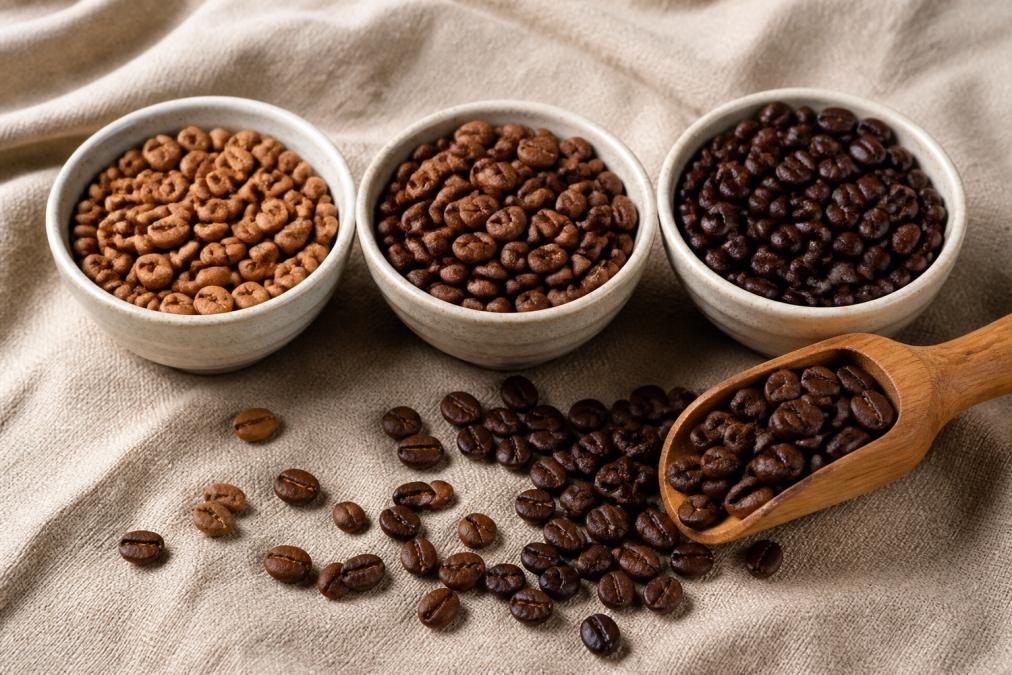
Purity leans toward lighter roasts preserving origin characteristics, highlighting floral and fruity notes. Cupping scores typically range 85-87, reflecting careful sorting and processing.
How Roast Level Affects Antioxidant Extraction
Darker roasts retain 60-70% of chlorogenic acid versus 85-95% for light roasts, meaning Purity's lighter roast delivers 25-35% more chlorogenic acid per serving. However, darker roasts develop melanoidins (brown polymers with antioxidant and anti-inflammatory properties), making the total antioxidant profile more complex rather than simply lower.
Brewing Method Optimization for Contaminant and Antioxidant Extraction
The brewing method you choose affects not just flavor but also how efficiently antioxidants and potential contaminants extract from the grounds.
French Press: Keeps grounds in contact for 4 minutes, extracting 85-90% of chlorogenic acid and melanoidins but also more oils and fine particles carrying trace heavy metals. Use 195-205°F water.
Pour-Over: Paper filters remove oils and fine particles, reducing heavy metal extraction while capturing 70-80% of antioxidants. This gentler method prevents over-extraction of bitter compounds in darker roasts and preserves delicate flavors in lighter roasts.
Espresso: Short 25-30 second extraction yields 40-50% chlorogenic acid and lower contaminant extraction.
Automatic Drip Machine: Brew at 195-205°F for 5-10 minutes with 60-75% antioxidant extraction.
Practical Recommendations by Roast and Brewing Method
For maximum antioxidant extraction regardless of brand, use a pour-over method with a 3-4 minute brew time and water temperature of 200-205°F. This combination extracts 75-85% of chlorogenic acid while filtering out fine particles that may carry trace contaminants.
For minimum contaminant extraction, use a pour-over with a paper filter and keep brew time to 3 minutes. The paper filter removes up to 95% of fine particles, and shorter contact time limits extraction of water-soluble contaminants.
Tinto Coffee Roasters' medium roasts are engineered for flexibility across brewing methods. A medium roast retains 75-80% of chlorogenic acid while developing melanoidins, making it effective in French press, pour-over, or drip machines without requiring technique optimization. This versatility appeals to drinkers who don't want to adjust their brewing method based on roast selection.

Sustainability, Supply Chain Transparency, and Certifications
Supply chain transparency separates brands genuinely supporting farmers from those using "fair trade" as marketing. Bird-friendly certification indicates shade-grown canopy protecting migratory birds and improving soil health. Tinto emphasizes direct relationships with Colombian cooperatives in Huila and Cauca, reducing middlemen and waste through roast-to-order fulfillment.
Tinto Coffee Roasters Review: A Third Option Worth Considering
If you're comparing Cala Coffee and Purity Coffee, Tinto Coffee Roasters deserves a spot in your evaluation.
Tinto specializes in Colombian single-origin and multi-origin blends, roasted to order within 48 hours of your purchase. This roast-to-order model means your coffee is fresher than any pre-roasted option, regardless of how quickly it ships. The aroma and flavor are at their peak when the beans arrive at your door.
Every batch is certified mycotoxin-free and tested for heavy metals. Lab testing results are published with roast batch references and exact finish temperatures, giving you full transparency into quality control.
The flavor profile is built for everyday drinking. Medium roasts highlight chocolate, nut, and caramel notes without the bitterness that can come from darker roasts. This makes Tinto coffee work equally well in a basic drip machine or a pour-over setup. You don't need specialty equipment to appreciate the quality.
Pricing starts at $19.99 for single-serve pods and $24.99 for whole bean or ground coffee in the Tinto Coffee Bag. The Functional Mushroom blend, which combines Brazilian and Colombian beans with Lion's Mane and Chaga extracts, runs $29.99. For those wanting convenience without compromise, The Sophia Colombian Pods deliver single-origin quality at $24.99 per box.

The satisfaction guarantee means you can try Tinto risk-free. If the coffee doesn't meet your expectations, the company replaces it or refunds your money.
Pricing, Value, and Which Coffee Fits Your Budget
A fair coffee comparison review must address the cost-per-cup across different formats and brands.
| Format | Cala Coffee | Purity Coffee | Tinto Coffee Roasters |
|---|---|---|---|
| Single-Serve Pods | $0.80-$1.00 per pod | $0.90-$1.10 per pod | $0.75-$0.95 per pod |
| Whole Bean (12 oz) | $18-$22 | $16-$20 | $24.99 |
| Ground Coffee (12 oz) | $16-$20 | $15-$19 | $24.99 |
| Subscription Discount | 10-15% | 5-10% | No subscription required |
Tinto Coffee Roasters' pricing is mid-range for the quality delivered. The roast-to-order model means you're paying for freshness and small-batch care, not for inventory sitting in warehouses. Single-serve pods offer per-cup value at under a dollar, while whole bean options work well for regular drip drinkers.
The real value question isn't price per pound. It's value per dollar spent on coffee that actually tastes better, brews more consistently, and supports transparent farming practices. A coffee comparison review that focuses only on price misses the point entirely.
For busy professionals using a standard drip machine, Tinto's whole bean or ground options deliver premium quality without requiring specialty brewing equipment or technique.
Conclusion: Which Coffee Should You Choose?
The choice between Cala Coffee, Purity Coffee, and Tinto Coffee Roasters depends on what matters most to you: convenience, origin exploration, or everyday quality.
Choose Tinto Coffee Roasters if you want the freshest possible coffee delivered roast-to-order, full lab testing transparency, and the simplicity of a cup that tastes excellent without requiring specialty equipment. Shop Now and experience the difference that small-batch roasting and direct-trade sourcing make in your daily cup.
Frequently Asked Questions
What does 'mold-free' coffee actually mean in lab testing?
Mold-free certification means third-party laboratories have tested the coffee beans for mycotoxins, toxic compounds produced by mold, and verified the product is free of detectable levels. Testing protocols screen for aflatoxins and ochratoxin A, the most common mycotoxins in coffee. This matters because mycotoxins can accumulate in the body over time. Reputable brands test every batch and publish results; look for certifications from independent labs, not just brand claims.
How do I know if a coffee brand's sustainability claims are real?
Verify certifications from recognized bodies like Fair Trade USA, Rainforest Alliance, or Smithsonian Bird Friendly. Ask for supply chain transparency: the best brands name their farms, cooperatives, and processing methods. Request pricing details, ethical sourcing costs more, so suspiciously low prices often signal incomplete transparency. Check if the brand publishes what they actually pay farmers per pound, not just vague claims about 'fair wages.'
What are the health benefits of organic lab-tested coffee?
Lab-tested coffee eliminates mycotoxin exposure, which reduces chronic inflammatory stress on your digestive and immune systems. Organic certification means no synthetic pesticides, reducing heavy metal accumulation.
Is Purity Coffee worth the price compared to other premium brands?
The value depends on your priorities: if mycotoxin testing and antioxidant levels matter to you, the cost is justified. If you prioritize convenience or subscription flexibility, other brands may offer better value. Compare the actual testing protocols and certifications each brand publishes, not just the brand reputation, some competitors offer similar standards at lower prices.