

Table of Contents
- Best Beans for Standard Drip Machine: Quick Comparison
- How We Picked the Best Beans for Drip Brewing
- 1. Tinto Coffee Bag: The Everyday Colombian Arabica
- 4. Functional Mushroom: Ground Coffee Built for Drip
- 5. Blonde: A Sweet, Light Blend for Bright Cups
- Coffee Grind Size for Drip Coffee Maker: What You Need to Know
- Frequently Asked Questions
Last Updated: October 15, 2026
Best Beans for Standard Drip Machine: Quick Comparison
Finding the best beans for standard drip machine brewing comes down to three things: freshness, grind compatibility, and a roast level that holds up to a paper filter. At Tinto Coffee Roasters, we roast to order in small batches.
Below, we break down five picks we would actually put in our own drip machines, with brew recipes and costs for each.
| Coffee | Price | Roast | Format | Best For |
|---|---|---|---|---|
| Tinto Coffee Bag | $24.99 | Medium | Ground or whole bean | Everyday black coffee |
| 12 OZ Supreme Collection | $22.99 | Varies by blend | Ground or whole bean | Variety and flavored cups |
| Dos Orígenes | $19.99 | Medium | Single-serve pod | Pod users and mushroom coffee |
| Functional Mushroom | $29.99 | Medium | Ground, 12 oz | Ground coffee with mushroom extracts |
| Blonde | $22.99 | Light | Blend | Bright, sweet cups |
How We Picked the Best Beans for Drip Brewing
Most roundups tell you what they recommend and skip how they got there. We did the opposite. Every pick below was brewed the same way, on the same machines, with the same recipe, so the differences you read about come from the coffee, not from a lucky cup.

The Machines We Tested On
We ran each coffee through three brewer types, because a bean that shines in one can fall flat in another:
- Standard basket brewer with a glass carafe and hot plate. The most common setup. Fast brew cycle, and the hot plate keeps cooking the coffee after the brew ends, which punishes delicate light roasts.
- Thermal-carafe brewer. No hot plate, so the coffee holds its flavor longer. These tend to run slightly cooler, which favors medium and medium-dark roasts.
- Programmable brewer with a pre-infusion or "bold" cycle. The pulse-and-pause pattern changes extraction, so we noted which beans benefited from the slower cycle and which did not.
The Brew Recipe We Held Constant
To compare beans fairly, we locked everything except the coffee:
- Ratio: 1 gram of coffee to 16 grams of water (roughly 1 to 2 tablespoons per 6 oz), the middle of the range most drip brewers are designed around.
- Grind: Medium, adjusted per bean only when a coffee clearly needed it, and noted when we did.
- Water temperature: 195°F to 205°F, the band the Specialty Coffee Association cites for drip brewing.
Specialty Coffee Association brewing standards is the reference we used for water temperature and ratio targets.
How We Scored Each Coffee
We tasted each bean at least twice, on two different days, and rated four things on a simple scale:
- Balance. Does any one note (acidity, bitterness, sweetness) dominate in a bad way?
- Body. Does it feel thin or full in the mouth after a paper filter?
- Value. Price per ounce, not price per bag, so a 12 oz bag and a 16 oz bag can be compared honestly.
What We Deliberately Did Not Do
We did not score beans on packaging, brand story, or how they taste as espresso. A coffee can be a great espresso and a mediocre drip coffee, and vice versa. If a bean only worked in one of our three machines, we said so in that section rather than hiding it.

1. Tinto Coffee Bag: The Everyday Colombian Arabica
Our top pick is the Tinto Coffee Bag because it was built for exactly this job: a smooth, small-batch Colombian arabica that tastes good black, straight from a drip brewer.
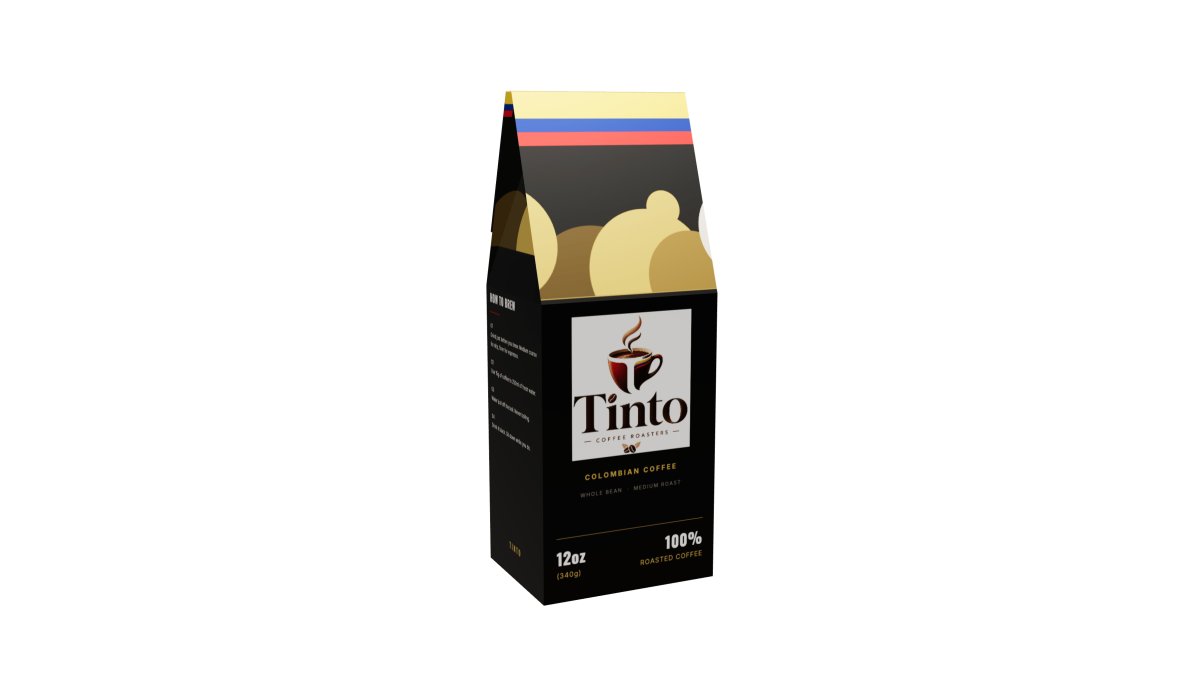
It is lab tested and certified free of mycotoxins, heavy metals, mold, and yeast.
Brew Recipe and What It Costs
- Format: Single-serve pod, 11 g per pod
- Water temperature: 195°F to 205°F
- Price: $19.99
4. Functional Mushroom: Ground Coffee Built for Drip
Functional Mushroom is ground coffee in a 12 oz box, and it is the most straightforward mushroom option for a standard drip machine. Brazilian Cerrado beans bring chocolate and body; Colombian beans from Huila and Cauca add brightness and structure.

The grind is already set for drip, pour-over, and French press, so you can scoop and brew without a grinder.
Brew Recipe and What It Costs
- Grind: Pre-ground, drip-ready
- Ratio: 1 to 2 tablespoons per 6 oz of water
- Water temperature: 195°F to 205°F
This is the priciest pick on the list. You are paying for two origins plus mushroom extracts, not just coffee.
12 OZ Coffee Flavored & Nonflavored Organic Supreme Finest Premium American →
5. Blonde: A Sweet, Light Blend for Bright Cups
Blonde is a light blend drawn from Central American and African coffees, and it is the pick for anyone who finds medium roasts heavy in the morning. Expect a sweeter, brighter cup with more noticeable acidity and a lighter body.
Light roasts need a slightly finer grind than medium in a drip machine.
Brew Recipe and What It Costs
- Grind: Medium-fine
- Ratio: 1 to 2 tablespoons per 6 oz of water
- Water temperature: 195°F to 205°F
Coffee Grind Size for Drip Coffee Maker: What You Need to Know
Medium grind is the correct starting point for drip coffee maker brewing, sitting between the fine grind used for espresso and the coarse grind used for French press. It looks roughly like table salt. But "medium" is a range, not a single setting, and the right spot inside that range depends on your machine and your bean.
Match the Grind to Your Brewer Type
- Flat-bottom basket brewers. These expose more of the coffee bed to water at once, so they extract faster. A slightly coarser medium grind keeps the cup from turning bitter.
- Cone-shaped filter brewers. The taller bed slows water down. A slightly finer medium grind helps you get full extraction without stalling.
- Thermal-carafe brewers. Because there is no hot plate cooking the coffee after the brew, you can often go a touch finer and pull more sweetness without the cup turning harsh.
A Starting Recipe You Can Adjust
Use this as your baseline, then move one variable at a time:
- Coffee: 1 gram per 16 grams of water (about 1 to 2 tablespoons per 6 oz).
- Grind: Medium, table-salt texture.
- Water temperature: 195°F to 205°F.
How to Read the Cup and Adjust
Taste tells you which way to move the grind:
- Sour, thin, or watery? The water ran through too fast. Grind finer, in small steps.
- Bitter, dry, or harsh? The water stalled and over-extracted. Grind coarser.
- Good but a little flat? Try a slightly finer grind before you change anything else.
Change only the grind between brews. If you change grind and ratio at the same time, you will not know which one fixed the cup.
Grinder and Storage Notes That Affect Grind
- Burr grinder over blade grinder. A burr grinder produces consistent particle size, so you get even extraction instead of a mix of dust and boulders. A blade grinder chops unevenly and makes dialing in much harder.
- Grind fresh. Grinding right before brewing preserves aroma that pre-ground coffee loses quickly after the bag is opened.
- Store whole beans properly. Keep them in an airtight container away from light and heat, and buy bags you will finish within a few weeks of the roast date.
USDA guidance on food storage and freshness is a useful reference for how storage conditions affect flavor over time.
Frequently Asked Questions
What are the best coffee beans for a drip machine?
The best beans for drip are freshly roasted, whole-bean arabica with a medium roast profile. Medium roast coffee beans for drip offer a balance of sweetness, acidity, and body that suits the even extraction of a standard drip machine. Tinto Coffee Bag is a Colombian arabica roasted to order and sealed for freshness, making it a strong everyday choice. Look for a roast date within two to three weeks and grind just before brewing.
Can I use espresso beans for regular drip coffee?
Yes, you can use espresso beans for drip coffee, but the result will differ. Espresso roasts are often darker and finer-ground, which can lead to over-extraction and bitterness in a drip machine. If you want to try espresso beans for drip coffee, adjust your grind to a medium setting and use a slightly lower water temperature around 195°F. For best results, stick with beans labeled for drip or all-purpose brewing.
What grind of coffee is best for a drip coffee maker?
A medium grind is best for a standard drip coffee maker. It resembles coarse sand and allows water to flow through at the right rate for proper extraction. If the grind is too fine, water stalls and the coffee turns bitter. If it is too coarse, the coffee tastes weak. For a coffee grind size for drip coffee maker, aim for a consistency like table salt. Tinto Coffee Bag offers a standard grind option for drip brewing.
Should I buy whole-bean or pre-ground coffee for a drip machine?
Whole-bean coffee stays fresh longer because the oils and aromas are protected until you grind. Pre-ground coffee is convenient but loses flavor within days of opening. If you brew daily and want the best cup, invest in a burr grinder and grind just before brewing. If convenience matters more, choose pre-ground from a roaster that grinds to order, like Tinto, and use it within two weeks.
How should I store coffee beans to keep them fresh?
Store coffee beans in an airtight container away from light, heat, and moisture. A opaque canister with a one-way valve works well. Keep the container in a cool, dark cabinet, not the refrigerator or freezer, because temperature changes introduce moisture. For how to store coffee beans fresh, buy only what you will use in two to three weeks. Tinto Coffee Bag is sealed for freshness from roast to brew, so transfer it to an airtight container after opening.