

Table of Contents
- 1. Choose Shade-Grown Coffee
- 2. Buy From Direct-Trade Roasters That Support Sustainable Coffee Farming Practices
- 3. Look for Coffee Certifications and Sustainability Standards
- 4. Prioritize Roasters Investing in Soil Health and Regenerative Agriculture
- 5. How to Support Coffee Farmers Through Fair Pricing and Transparency
- 6. Support Roasters Committed to Water Conservation and Watershed Protection
- 7. Choose Coffee From Farms Protecting Biodiversity and Habitat
- Frequently Asked Questions
Last Updated: October 11, 2026
1. Choose Shade-Grown Coffee
Shade-grown coffee is fundamentally different from sun-grown coffee. When farmers grow coffee under a canopy of native trees, they create a system that mimics natural forest ecosystems. The shade trees protect soil from erosion, reduce water evaporation, and provide habitat for birds and other wildlife. This approach also sequesters carbon in the soil and tree biomass, contributing to climate resilience on farms that might otherwise face increasing weather volatility.
The practical benefit for you: shade-grown beans tend to ripen more slowly, developing deeper, more complex flavors. When you choose shade-grown coffee, you're directly supporting a farming method that regenerates the land instead of depleting it. Look for the Smithsonian Bird Friendly certification, which verifies that coffee meets strict shade-grown standards.
2. Buy From Direct-Trade Roasters That Support Sustainable Coffee Farming Practices
Direct-trade relationships cut out the middlemen between farmer and roaster. Instead of selling through commodity brokers or cooperatives, farmers sell directly to roasters who commit to long-term partnerships and transparent pricing. This model means roasters know exactly where their beans come from, and farmers know they'll have a buyer for next year's harvest.

What this means for sustainable coffee farming: direct-trade roasters invest in farmer relationships. They visit farms, understand the challenges growers face, and often provide advance payments or financing to help farmers invest in soil health improvements or equipment upgrades. When you buy from a direct-trade roaster, your money flows directly to the farmer's pocket, not through layers of intermediaries taking cuts.
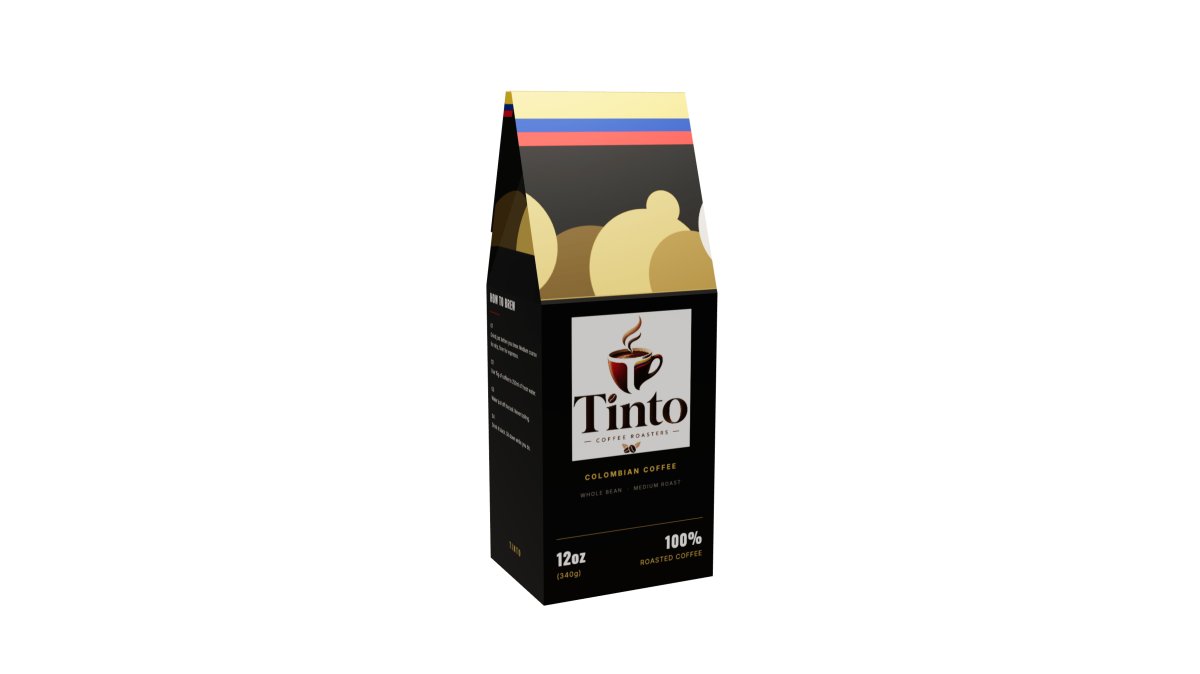
The Tinto Coffee Bag and our single-origin Colombian selections are sourced through direct-trade partnerships. By purchasing directly from us, you support roasters who are actively committed to transparent supply chains and fair farmer compensation.

3. Look for Coffee Certifications and Sustainability Standards
Certifications provide third-party verification that coffee meets specific environmental and social standards. The most credible certifications for sustainable coffee farming include Fair Trade, Rainforest Alliance, and Smithsonian Bird Friendly. Each has different criteria, but all require farmers to meet baseline standards for environmental stewardship, worker treatment, and sustainable practices.
Fair Trade certification ensures farmers receive a minimum price floor, protecting them from commodity market crashes. Rainforest Alliance focuses on biodiversity protection and watershed conservation. Smithsonian Bird Friendly goes deepest on shade-growing requirements and habitat preservation. When you see these labels, you know a third party has audited the farm's practices.
The key is reading the label carefully. Some certifications are more rigorous than others. According to Fair Trade USA's 2026 impact report, certified farmers earn an average of 30% more than non-certified peers, creating financial stability that enables long-term investment in soil health and regenerative agriculture.
4. Prioritize Roasters Investing in Soil Health and Regenerative Agriculture
Soil health determines everything. Healthy soil holds water better, requires fewer inputs, and sequesters more carbon. Regenerative agriculture goes beyond "sustainable", it actively improves soil with cover crops, reduced tillage, and organic composting. Roasters who truly support sustainable coffee farming practices partner with farmers practicing these techniques.
Ask roasters directly: Do your partner farms use cover crops? Do they practice reduced or no-till farming? Are they building soil organic matter year over year? The answers reveal whether a roaster is serious about regenerative practices or just using the language as marketing.
Roasters committed to this work often share farm data transparently. They'll tell you about soil carbon measurements, water conservation initiatives, and biodiversity improvements on their partner farms. This transparency shows they're tracking impact, not just buying beans.
5. How to Support Coffee Farmers Through Fair Pricing and Transparency
Fair pricing means roasters pay farmers significantly above commodity market rates. When global coffee prices crash, farmers with direct-trade relationships survive because their buyers honor agreements. When prices spike, direct-trade roasters benefit too, but the relationship remains stable.
Transparency means you can trace your coffee back to the specific farm or cooperative. Look for roasters who publish the farmer's name, the farm location, the altitude, the varietals grown, and ideally, the price paid per pound. The Specialty Coffee Association's transparency guidelines recommend that roasters disclose sourcing information to customers.
Supporting farmers also means understanding their economics. A farmer earning $2 per pound can invest in soil improvements and equipment. A farmer earning $0.80 per pound is just surviving. By choosing roasters who pay premium prices and publish those prices, you create market pressure for the entire industry to follow.
6. Support Roasters Committed to Water Conservation and Watershed Protection
Coffee processing requires enormous amounts of water. The washed processing method uses 130-190 liters of water per kilogram of coffee produced. Roasters who support sustainable coffee farming practices partner with farms using water-efficient processing methods like pulped natural or honey processing, which use 80% less water than fully washed methods.
Beyond processing, watershed protection matters. Coffee farms in regions like Colombia sit on watersheds that supply drinking water to millions of people downstream. Farms that protect forests, maintain riparian buffers, and avoid chemical runoff preserve water quality for entire regions.
Ask roasters about their partner farms' water management. Do they have water conservation plans? Do they avoid pesticides that contaminate groundwater? Are they protecting forest cover that maintains watershed health? These questions reveal whether a roaster is genuinely committed to supporting sustainable coffee farming practices.
7. Choose Coffee From Farms Protecting Biodiversity and Habitat
Coffee farming doesn't have to destroy ecosystems. Shade-grown coffee farms with native tree canopies support thousands of bird species, insects, and mammals. These farms function as habitat corridors, allowing wildlife to move through fragmented landscapes. A single shade-grown coffee farm can support more bird species than a comparable area of pasture or monoculture crops.
Farms protecting biodiversity also protect themselves. Beneficial insects pollinate crops, control pests naturally, and improve soil health. Birds eat insects that would otherwise damage coffee plants. This ecosystem services approach reduces the need for chemical inputs, lowering costs and environmental impact.
Look for farms certified by Smithsonian Bird Friendly or Rainforest Alliance, both of which have strict biodiversity requirements. These certifications verify that farms maintain native tree species, protect water sources, and monitor wildlife populations. When you choose coffee from these farms, you're directly supporting habitat preservation and ecosystem services that benefit the entire region.
Supporting sustainable coffee farming practices starts with one choice: your next cup of coffee. When you choose shade-grown, direct-trade, certified coffee from roasters transparent about their sourcing, you create market demand for farming methods that regenerate soil, protect watersheds, and preserve biodiversity. Tinto Coffee Roasters sources exclusively from farms practicing these methods because we believe your daily coffee ritual should reflect your values. Shop our direct-trade Colombian selections and experience how supporting sustainable coffee farming practices translates into exceptional flavor and authentic impact.
| Method | Water Used | Environmental Impact | Best For |
|---|---|---|---|
| Fully Washed | 130-190 L/kg | High water consumption | Flavor clarity |
| Pulped Natural | 20-40 L/kg | Low water use | Fruit-forward profiles |
| Honey Processed | 30-50 L/kg | Moderate water use | Balanced sweetness |
| Shade-Grown System | Reduced overall | Carbon sequestration, habitat | Ecosystem health |
Frequently Asked Questions
How can coffee drinkers support sustainable coffee farmers?
Coffee drinkers support sustainable farmers by purchasing from roasters committed to direct-trade relationships, choosing shade-grown and certified coffees, and paying closer attention to transparency about where beans come from and how much farmers are paid. When you buy from roasters like Tinto Coffee Roasters that source directly from cooperatives and publish their sourcing practices, your money flows directly to farmers who practice regenerative agriculture and protect soil health. This creates incentive for more farms to adopt sustainable methods.
What makes a coffee farm sustainable?
Sustainable coffee farms integrate practices like shade-grown cultivation under native trees, which preserves biodiversity and habitat while reducing erosion. They prioritize soil health through reduced tillage and organic composting, practice water conservation to protect watersheds, and often use crop diversification to build climate resilience. Many sustainable farms participate in carbon sequestration programs and work toward carbon footprint reduction. Regenerative agriculture practices, including cover crops and beneficial organism management, restore ecosystem services while maintaining economic viability for farming families.
Do coffee certifications help farmers?
Yes, coffee certifications and sustainability standards provide third-party verification that farms meet environmental and social benchmarks. Certifications create market differentiation, allowing farmers to command higher prices and access premium buyers. However, certification value depends on the standard's rigor and the farmer's ability to afford certification costs. Direct-trade relationships often complement certifications by establishing long-term partnerships where roasters commit to minimum prices and transparent communication, giving farmers greater economic security and incentive to invest in sustainable practices.
How does shade-grown coffee benefit farms and wildlife?
Shade-grown coffee grown under a canopy of native trees preserves forest habitat and biodiversity, supporting bird populations and beneficial organisms that naturally manage pests. This reduces the need for chemical inputs, lowering costs and environmental impact. The tree canopy also prevents soil erosion, improves water retention during dry seasons, and provides additional income streams through fruit or timber. For farmers, shade-grown systems build long-term soil health and climate resilience, though they require more labor and patience during establishment compared to full-sun monocultures.