

Table of Contents
- What Makes Colombian Coffee So Special?
- The Colombian Coffee Flavor Profile: What to Expect in Your Cup
- Regional Micro-Climates: Huila vs. Nariño vs. Antioquia
- Best Brewing Methods for Colombian Beans
- How to Identify High-Quality Coffee Beans
- Sustainability and Climate Change in Colombian Coffee
- Conclusion
- Frequently Asked Questions
Last Updated: October 1, 2026
What Makes Colombian Coffee So Special?
Colombian coffee is special because of a rare combination: equatorial growing conditions, high-altitude Andean farms, hand-picked harvesting, and fully washed processing, producing a clean, balanced, medium-bodied cup with bright acidity and a sweet, citrus-like finish.
At Tinto Coffee Roasters, we source small-batch Colombian beans precisely because that combination is hard to fake elsewhere.
Coffee quality is largely decided before the bean reaches a roaster. Altitude slows cherry maturation, letting sugars develop, while volcanic soil feeds the plant steadily. And because much of the harvest happens on steep slopes where machines can't operate, pickers select only ripe cherries by hand.
Below, we'll break down the flavor profile, regional differences, brewing, and how to spot a high-quality bag.
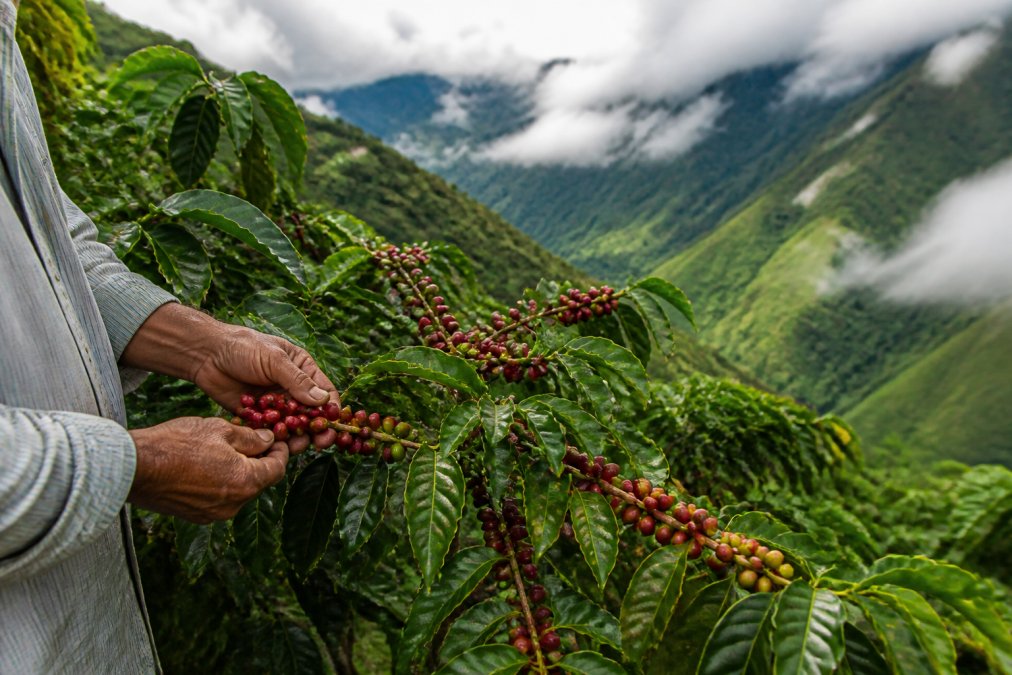
Geography, Climate, and the Andes Advantage
Colombia sits on the equator, giving consistent daylight year-round and no true winter to interrupt the growing cycle. The Andes run through the country in three parallel ranges, creating thousands of micro-climates.
Most specialty arabica grows between roughly 1,200 and 1,800 meters above sea level. Cooler temperatures slow the cherry's development, concentrating sugars and acids in the bean, which is why high-altitude coffee tastes more complex.
Hand-Picked Harvesting and Washed Processing
Harvesting is selective: pickers return to the same trees multiple times a season, taking only cherries at peak ripeness. A single unripe cherry can flatten the whole cup, so this selectivity is quality control.
After picking, most Colombian coffee goes through a washed process: the fruit is removed, the beans ferment briefly, get rinsed, then dry, often under sun. Washed processing produces the clean, transparent cup Colombian coffee is known for.
The Colombian Coffee Flavor Profile: What to Expect in Your Cup
The classic Colombian coffee flavor profile is medium-bodied with bright, balanced acidity, a clean finish, and sweetness that often reads as caramel, red apple, or citrus, with an aroma of brown sugar and toasted nuts.
That balance is the point. Many origins lean hard in one direction: heavy body, sharp acidity, or a dominant fruit note.
Why the Flavor Reads the Way It Does
The sweetness in a good Colombian cup comes from how the bean develops on the tree. At high altitude, cooler nights slow the cherry's maturation, giving the plant more time to accumulate sugars and organic acids. That's why a 1,700-meter Huila lot tastes sweeter and more layered than a 1,200-meter lot of the same variety. The acidity is largely citric and malic acid, the compounds behind the snap of a green apple or the tang of a lime, which is why tasters reach for fruit comparisons rather than calling it sour.
Acidity, Body, and Aroma Notes
Acidity in coffee is not sourness. It's the brightness that makes a cup taste alive, closer to the snap of a green apple than the burn of lemon juice. Colombian beans carry that acidity without letting it dominate.
A Quick Tasting Framework
To compare two Colombian bags, taste them the same way and score four things:
- Aroma: brown sugar, toasted nut, or floral? Note what hits first.
- Acidity: does it taste bright and juicy, or dull and flat? Bright is the Colombian signature.
- Sweetness: caramel, red apple, or citrus? The specific note tells you about variety and altitude.
- Finish: clean and short, or heavy and lingering? Clean is the washed-processing hallmark.
Regional Micro-Climates: Huila vs. Nariño vs. Antioquia
Colombia's regions produce noticeably different cups, and treating them as one flavor is coffee writing's biggest oversimplification.
| Region | Typical Elevation | Flavor Tendency | Body |
|---|---|---|---|
| Huila | 1,500-1,900 m | Red fruit, caramel, bright citrus | Medium |
| Nariño | 1,700-2,100 m | Sharp acidity, floral, herbal | Light to medium |
| Antioquia | 1,300-1,800 m | Chocolate, nut, mild sweetness | Medium to full |
Don't assume a bag labeled simply "Colombia" tells you much about flavor. Single-origin bags that name the department give you a real expectation to work with. Blends labeled only by country can vary widely batch to batch.
Best Brewing Methods for Colombian Beans
Colombian beans are unusually flexible: their balanced structure holds up across drip, pour-over, French press, and espresso without any method exposing a weakness.
Drip, Pour-Over, French Press, and Espresso
- Drip: Medium grind (roughly the texture of table salt), water between 195-205°F, and a ratio near 1:16 (about 1 gram of coffee per 16 grams of water, or roughly 2 tablespoons per 6 ounces). This is where a balanced Colombian bean earns its keep, since drip forgives minor mistakes. If the cup tastes weak, tighten the grind slightly before adding more coffee.
- Pour-over: Slightly finer grind than drip, water just off boil (200-205°F), and a slower pour in stages. A 1:15 to 1:16 ratio is a good start. The slower, more even extraction pulls out the citrus and floral notes that drip tends to blur. If the cup tastes thin or sour, grind finer; if it tastes bitter or drying, grind coarser.
- French press: Coarse grind (like raw sugar), 200°F water, a 1:15 ratio, and a four-minute steep before pressing slowly. Expect more body and a rounder sweetness, because the metal mesh lets more oils and fine particles through than a paper filter.
- Espresso: Fine grind, a 1:2 ratio (about 18 grams of coffee in, 36 grams of espresso out) in roughly 25-30 seconds, and a bean roasted for espresso rather than filter. Colombian beans pull sweet, syrupy shots with low bitterness when dialed in. If the shot runs too fast and tastes sour, grind finer; if it chokes and tastes bitter, grind coarser.
Water, Ratio, and the Variables That Actually Matter
Most home brewers chase the wrong variable, buying a new grinder or dripper when the biggest lever is usually water and ratio.
How to Identify High-Quality Coffee Beans
High-quality coffee beans are identified by four things: a recent roast date, clear origin information, a stated processing method, and honest certification.
Roast Date, Origin Transparency, and Certifications
Certifications are useful but widely misunderstood. Fair Trade focuses on minimum prices and community premiums; Rainforest Alliance addresses environmental and social standards on the farm; organic certification covers how the coffee was grown, not how it tastes.
A practical checklist for evaluating a bag:
- Roast date printed, within the last 3-4 weeks
- Region or farm named, not just the country
- Processing method stated
- Altitude range listed
- Certification named specifically, if ethical sourcing is claimed
Sustainability and Climate Change in Colombian Coffee
Climate change is the most serious long-term threat to Colombian coffee production, and it's already shifting where coffee can be grown. Rising temperatures push viable growing zones uphill, and higher elevations are finite.
Ask your roaster when the coffee was harvested, not just roasted. Colombian harvests run roughly October through February in the main regions, with a smaller mid-year crop. If a bag claims a fresh harvest out of season, ask where it actually came from.
Conclusion
The hard part about buying Colombian coffee isn't finding it. It's finding a bag fresh enough, and sourced transparently enough, to taste like what the label promises. Most supermarket coffee is roasted months before you buy it, and no origin can survive that.
Frequently Asked Questions
Is Colombian coffee better than regular coffee?
Colombian coffee is often considered superior because of its unique growing conditions. High altitudes in the Andes, volcanic soil, and equatorial climate produce beans with balanced acidity, medium body, and bright citrus-like notes. Unlike generic 'regular' coffee, which may blend robusta and arabica from various regions, Colombian coffee is typically 100% arabica, hand-picked, and washed, resulting in a smoother, more flavorful cup. That said, 'better' is subjective; it depends on your taste preferences.
What are the unique flavor notes of Colombian coffee?
Colombian coffee flavor profile typically features bright acidity, medium body, and a balanced finish. Common tasting notes include citrus (orange, lemon), red fruit (cherry, apple), caramel, chocolate, and nuts like almond. The washed process and high-altitude growth enhance these clean, sweet, and aromatic qualities. Regional differences exist: Huila coffees often show red fruit and caramel, while Nariño beans lean toward citrus and floral notes. Roast level also influences: lighter roasts highlight acidity, darker roasts bring out chocolate and caramel.
Does the altitude in the Andes affect coffee quality?
Yes, altitude significantly impacts coffee quality. In Colombia, coffee grows between 1,200 and 1,800 meters (about 4,000-6,000 feet) above sea level. Higher altitudes mean cooler temperatures, which slow cherry maturation. This allows beans to develop more sugars and complex acids, resulting in denser beans with richer flavor. The Andes' volcanic soil also provides nutrients like phosphorus and potassium. Additionally, the equatorial location ensures consistent daylight year-round, supporting even ripening. These factors combine to make Colombian coffee distinctive.
How does the roasting process impact the final cup?
Roasting transforms green coffee beans into the aromatic brown beans you brew. The roast level determines flavor: light roasts preserve origin characteristics like acidity and fruity notes; medium roasts balance acidity and body, often bringing out caramel and chocolate; dark roasts emphasize bold, smoky, and bittersweet flavors. For Colombian beans, a medium roast is popular because it highlights the natural sweetness and balanced profile. Roasting date matters too: coffee is best within 2-4 weeks of roast for peak flavor. Tinto Coffee Roasters roasts to order within 48 hours for maximum freshness.