

Table of Contents
- Why Freshness Matters for Coffee Flavor
- 1. Use an Airtight Coffee Storage Container
- 2. Store Whole Bean Coffee in a Cool, Dark Place
- 3. Keep Coffee Beans Away from Light, Heat, and Moisture
- 4. How Long Do Coffee Beans Stay Fresh
- 5. Should You Store Coffee Beans in the Fridge or Freezer
- Common Mistakes That Speed Up Staling
- Your Five-Step Fresh Coffee Routine
- Frequently Asked Questions
Last Updated: October 10, 2026
Why Freshness Matters for Coffee Flavor
The difference between a fresh cup and a stale one comes down to how well you protect your coffee beans from their four main enemies: air, light, heat, and moisture. When whole beans are exposed to these elements, the oils that give coffee its aroma and complexity oxidize and break down. Within days, you lose the brightness and nuance that made the coffee worth buying in the first place.
At Tinto Coffee Roasters, we roast to order specifically because knowing how to keep coffee beans fresh shapes everything about your brew. A bean roasted three weeks ago tastes measurably different from one roasted three days ago. The good news: keeping coffee beans fresh longer is straightforward once you understand what's actually happening. Most people make one or two small mistakes that cost them weeks of shelf life. Below, we'll show you exactly how to avoid them.

1. Use an Airtight Coffee Storage Container
The single most effective step to keep coffee beans fresh is storing them in an airtight container. Oxygen is the primary culprit behind staling. Once a bag is opened, air exposure accelerates oxidation. An airtight seal locks out oxygen and preserves the volatile compounds responsible for flavor.
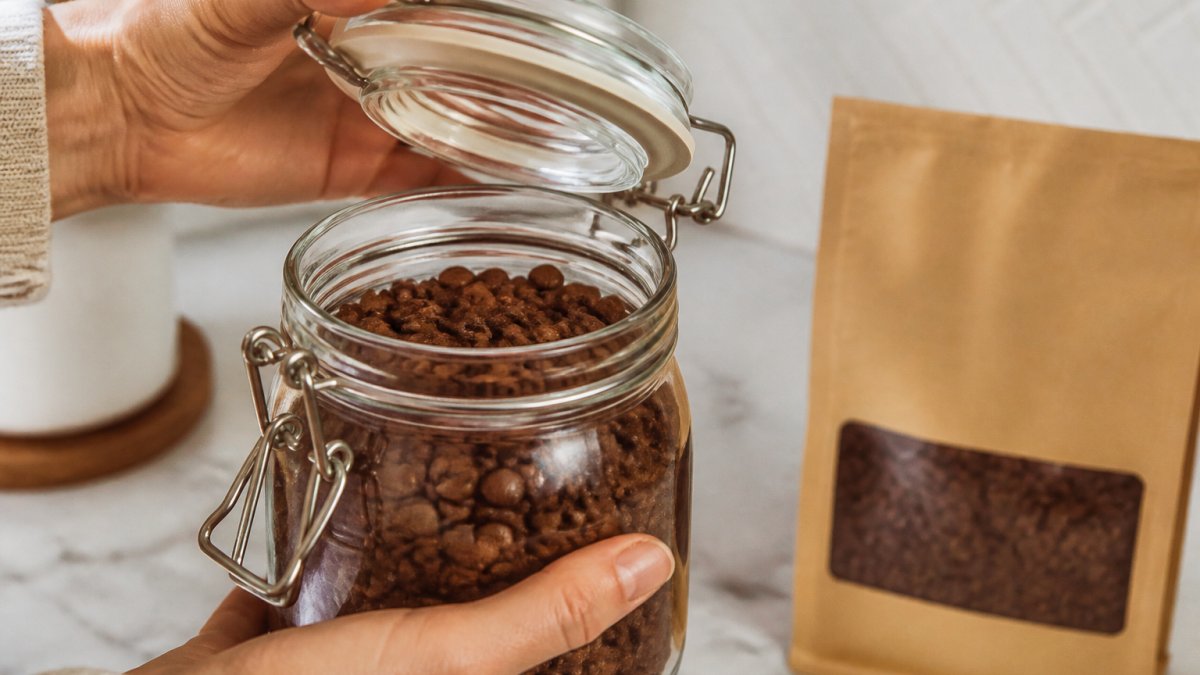
Not all containers are created equal. The material, seal quality, and design each affect how well your beans stay fresh.
Container Options: Trade-offs Between Bags, Jars, and Canisters
Original packaging with a resealable bag: This is where most specialty coffee ships. Quality bags feature a one-way valve that lets CO2 escape without letting air back in, plus a resealable zipper. The trade-off: once you open it, the valve is compromised. Reseal tightly after each use, and you'll get solid results for two to three weeks. Cost: free (comes with your coffee).
Glass jars with rubber seals: Mason jars and similar designs offer excellent visibility and a tight seal. The downside: glass is transparent, which matters for light protection (covered in the next section). Use opaque glass or store the jar in a dark cabinet. Cost: $5-15 per jar.
Vacuum canisters: Dedicated coffee canisters with vacuum-seal buttons remove air mechanically. These are the gold standard for long-term storage and work especially well if you buy in bulk. The cost and learning curve are slightly higher, but they extend freshness by weeks compared to standard jars. Cost: $15-40 per canister.
What we recommend: Start with your original Tinto bag if it has a resealable zipper. If you're buying multiple bags or want to store for longer than three weeks, invest in one vacuum canister. It pays for itself in preserved flavor.
2. Store Whole Bean Coffee in a Cool, Dark Place
Temperature and light both speed up staling. Heat accelerates chemical reactions that degrade flavor compounds. Light, especially direct sunlight, triggers photodegradation. Together, they can flatten your coffee's taste in days.
The ideal storage temperature is between 60-70°F. Room temperature pantries work perfectly. Avoid spots above the stove, near windows, or in direct sunlight. A dark cabinet or pantry shelf is your best bet.
Why Pantry Storage Beats the Countertop
A kitchen counter near a window looks nice, but it's the worst place for coffee. Sunlight streaming across your beans degrades them faster than almost any other factor. Even indirect daylight matters over time.
A pantry or dark cabinet maintains consistent temperature and blocks light entirely. If your pantry is warm (above 75°F), consider a lower shelf or the back of a cabinet where air circulation is slower. The goal is consistency, temperature swings stress beans more than steady warmth does.
3. Keep Coffee Beans Away from Light, Heat, and Moisture
These three factors work together to destroy freshness. Light triggers oxidation. Heat speeds every chemical reaction that breaks down flavor. Moisture encourages mold and clumping, and creates an environment where staling accelerates.
Moisture is often overlooked. When humid air enters your container, it condenses on the beans. This humidity causes the beans to absorb water, which dilutes the oils and changes how they extract during brewing. Keep your storage area dry. If you live in a humid climate, a vacuum canister with a tight seal becomes even more valuable.
Avoid storing coffee in the refrigerator or freezer unless you're using a specific freezing strategy (covered below). Cold temperatures cause condensation every time you open the container, introducing moisture that damages the beans.
4. How Long Do Coffee Beans Stay Fresh
The timeline depends on three variables: roast date, whether the bag is opened, and how well you store it.
Freshness Timeline: From Roast Date to Stale
Days 1-5 after roasting: Peak freshness. The beans are still releasing CO2, and the flavor is at its brightest. This is the ideal window for brewing, especially for pour-over and single-origin espresso where subtle flavors shine.
Days 5-21 (unopened bag): Still excellent. Flavor remains vibrant if the bag is sealed properly. An unopened bag with a one-way valve can hold quality for three weeks or longer.
Days 5-14 (opened bag in airtight container): Excellent to good. Once exposed to air, degradation accelerates. Within two weeks, most beans lose noticeable brightness.
Days 14-30 (opened bag in airtight container): Acceptable to mediocre. The coffee is still drinkable but tastes flatter. Espresso becomes harder to dial in. Drip coffee becomes noticeably less aromatic.
After 30 days: Stale. The beans won't taste bad in a drip machine, but the complexity is gone. Reserve these for cold brew or French press, where bolder extraction can mask age.
5. Should You Store Coffee Beans in the Fridge or Freezer
The short answer: not your main storage. But freezing works well for long-term preservation if you do it right.
Refrigerators introduce moisture through condensation. Every time you open the door, temperature swings cause the beans to absorb water. Over days, this ruins the coffee. Skip the fridge entirely.
Freezers are different. At 0°F, staling essentially pauses. If you freeze beans properly, they can stay fresh-tasting for three to four months (Storage and shelf life - NCA). The catch: improper freezing creates condensation that damages the beans more than room-temperature storage would.
Freezing Coffee Correctly: Portioning and Thawing
The key is portioning. Freeze your beans in small batches, enough for one to two weeks of brewing, in separate airtight containers. This way, you thaw only what you need and never expose the entire supply to temperature swings.
Steps for freezing:
- Buy your coffee and store it at room temperature for the first week. Let it rest and release CO2.
- Divide the beans into portions using small vacuum bags or airtight containers. Each portion should hold one to two weeks' worth.
- Label each container with the roast date and freeze date.
- Place frozen portions in the back of the freezer where temperature is most stable.
- When ready to use, remove one container and let it come to room temperature for 30 minutes before opening. This prevents condensation.
- Grind and brew immediately after thawing.
Never thaw and refreeze. The temperature swings introduce moisture each time. Thaw only what you'll use within a few days.
Common Mistakes That Speed Up Staling
Storing in the original bag after opening: The resealable zipper helps, but it's not airtight enough for long-term storage. Transfer opened bags to a proper airtight container within a day.
Grinding too far in advance: Ground coffee stales in hours, not weeks. Grind only what you'll brew that day. If you must grind ahead, store the grounds in an airtight container in the freezer and use within three days.
Keeping the grinder hopper full: Hoppers expose beans to air and light continuously. Buy a grinder with a small hopper, or practice single-dosing: weigh out your beans and grind them fresh for each brew.
Storing near appliances: Coffee absorbs odors. Keep it away from the dishwasher, microwave, and anything that generates heat or steam.
Ignoring the roast date: A bag labeled "best by 6 months from now" might have been roasted two months ago. Always check the roast date on the bag. That's your true freshness reference.
Your Five-Step Fresh Coffee Routine
Keeping coffee beans fresh doesn't require special equipment or complicated rituals. Here's what actually works:
| Step | Action | Frequency |
|---|---|---|
| 1 | Check the roast date when your coffee arrives | Once per shipment |
| 2 | Transfer opened bags to an airtight container within 24 hours | After opening |
| 3 | Store the container in a cool, dark pantry or cabinet | Ongoing |
| 4 | Grind only what you'll brew that day | Each morning |
| 5 | Seal the container immediately after scooping | After each use |
This routine takes 30 seconds per day and preserves flavor for three to four weeks. If you buy in bulk or want to extend freshness beyond a month, freeze portions using the method above.
The investment is minimal: one good airtight container ($15-30) and five minutes of habit-building. The payoff is noticeable. Coffee stored this way tastes noticeably brighter, more aromatic, and more complex than coffee left on a countertop or in a standard cabinet.
Keeping coffee beans fresh longer comes down to blocking oxygen, light, heat, and moisture. Start with an airtight container and a cool, dark pantry. If you're serious about freshness, add a vacuum canister for longer storage and freeze bulk purchases in small portions. Tinto Coffee Roasters roasts to order within 48 hours and ships in sealed bags designed to lock in freshness from roast day to brew day. Every bag arrives at peak flavor, and following these five steps ensures it stays that way for weeks. Get started with Tinto Coffee Roasters and taste the difference fresh beans make in your morning cup.
Frequently Asked Questions
How long do whole coffee beans stay fresh?
Whole coffee beans stay fresh for 2-4 weeks after the roast date when stored in an airtight container at room temperature. After opening, use them within 1-2 weeks for peak flavor. Beans roasted by Tinto Coffee Roasters ship within 48 hours of roasting, so you're starting with maximum freshness. Once opened, the clock accelerates because exposure to oxygen speeds oxidation and flavor loss.
Is it better to keep coffee beans in the fridge or freezer?
Freezing is better than refrigerating for long-term storage. The fridge introduces temperature swings and moisture that degrade beans faster. Freezing slows oxidation and extends shelf life to 3-4 months if beans are sealed in an airtight container and thawed only once before use. However, for daily coffee drinkers, room-temperature pantry storage in an airtight container is simpler and keeps beans fresher for 2-4 weeks, which is ideal for enjoying peak flavor.
What should you store coffee beans in?
Store coffee beans in an airtight container that blocks light and oxygen. Options include opaque glass jars with tight seals, vacuum canisters with one-way valves, or the original resealable bag if it has a one-way valve. Avoid clear containers that expose beans to light, and skip paper bags that allow air seepage. Mason jars work well if they're opaque or stored in a dark cabinet. The Tinto Coffee Bag arrives sealed to lock in aroma and flavor from roast day to brew day.
What is the enemy of coffee beans?
Oxygen is the primary enemy of coffee beans. Exposure to air causes oxidation, which strips away the aromatic compounds and flavors that make fresh coffee taste vibrant. Light, heat, and moisture are secondary enemies that accelerate staling. Direct sunlight damages beans quickly, heat causes oils to break down, and humidity introduces moisture that promotes mold and off-flavors. Keep beans sealed, cool, dark, and dry to protect them from all four.