

Table of Contents
- Why Fresh Coffee Delivery Beats Grocery Store Beans
- What an Office Coffee Delivery Service Actually Provides
- Whole Bean vs Ground Coffee for Office Brewing
- How to Store Coffee Beans Fresh in a Breakroom
- Calculating Your True Cost Per Employee
- Your Office Coffee Program Checklist for Setup
- Matching Coffee Formats to Your Office Size
- Conclusion: Building a Breakroom Worth Visiting
- Frequently Asked Questions
Last Updated: October 12, 2026
Why Fresh Coffee Delivery Beats Grocery Store Beans
Fresh coffee delivered to your door solves a problem grocery store beans cannot: time.
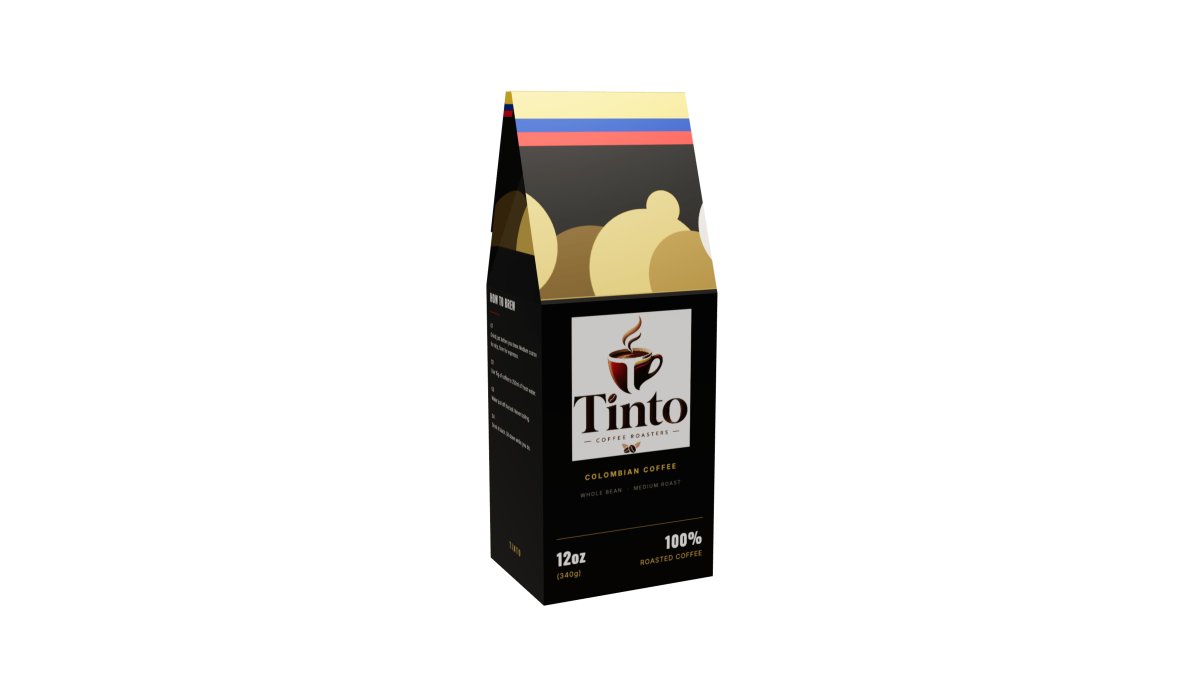
The difference shows up in the cup. Grocery coffee is often roasted months before purchase and stored in conditions you cannot verify. Fresh coffee delivery shortens that gap to days.

There is also a practical angle most offices miss: someone has to buy the coffee, carry it, and remember to reorder it, and a recurring delivery removes that task entirely.
What an Office Coffee Delivery Service Actually Provides
An office coffee delivery service is a recurring supply arrangement that ships coffee, and often equipment, directly to your workplace on a set schedule, replacing one-off grocery runs with a predictable rhythm.
Most services cover three things: the coffee itself, a delivery cadence, and some level of equipment support. The specifics vary, so know what to ask before signing.
Delivery Frequency and Restocking Schedules
Delivery frequency should match your actual consumption, not a generic plan. A 10-person office drinking two cups each per day goes through roughly 100 cups weekly, about 4 to 5 pounds of ground coffee; a 50-person office needs five times that.
Ask providers how they handle mid-cycle shortages. The best arrangements let you adjust quantities before each shipment rather than locking you into a fixed case count.
Equipment and Maintenance Included
Some providers bundle brewers and service the machines; others ship coffee only. Neither is wrong, but the bundled version usually costs more per pound, so if your office already owns reliable brewers, coffee-only delivery is leaner. Our Tinto Coffee Bag works with standard drip machines, French presses, and pour-over setups, so you are not locked into a proprietary system.
Whole Bean vs Ground Coffee for Office Brewing
Whole bean coffee stays fresh longer because the oils and aromatics stay sealed inside the bean. Ground coffee exposes more surface area to air, so it stales faster.
The deciding factor is your equipment.
A common mistake is buying whole bean without a grinder, then grinding it all at once at the store. Buy ground if you will not grind fresh each day.
Single-Serve Pods: Convenience Without the Compromise
Single-serve pods solve the busiest-office problem: speed and consistency with zero cleanup. The tradeoff used to be quality and waste. Modern pods have narrowed that gap considerably.
Our "The Sophia" Colombian Pods are oxygen-sealed for freshness and built for full, even extraction, so every cup tastes the same as the last. They work with single-serve machines and are ready in under a minute, eliminating the "who made the last pot" problem.

How to Store Coffee Beans Fresh in a Breakroom
How to store coffee beans fresh comes down to four enemies: air, light, heat, and moisture.
The freezer works only for long-term storage of unopened bags, and only if you let them reach room temperature before opening.
Buy in quantities you will finish within two to three weeks. A 5-pound bag is a bargain per pound but a waste if it sits open for two months.
Calculating Your True Cost Per Employee
Cost per employee is the only number that matters when comparing office coffee options. The sticker price per pound tells you little, because the cheapest beans often come bundled with the most expensive hidden costs.
The right way to compare is total cost of ownership (TCO): every dollar your office spends to put a cup of coffee in an employee's hand over a month. Most offices only count the coffee line item and miss four or five others.
The Line Items That Belong in Your TCO
- Coffee or pods, the product itself, priced per pound, per pod, or per case.
- Equipment, purchase, lease, or bundled-in-the-contract cost of brewers, grinders, and single-serve machines.
- Maintenance and service, descaling, repairs, replacement parts, and any technician visits.
- Supplies, filters, cleaning tablets, stirrers, cups, lids, creamers, sugar, and sweeteners.
- Waste, coffee brewed but poured out, pods opened but unused, and bags that go stale before they are finished.
- Staff time, the hours someone spends ordering, receiving, stocking, and troubleshooting. Even 30 minutes a week at a loaded labor rate adds up over a year.
A Worked Example
Take a 20-person office where the average employee drinks two cups a day, five days a week: roughly 200 cups per week, or about 800 cups per month.
Assume the coffee itself runs about $0.35 per cup at a mid-range whole-bean price, or $280 per month.
Total monthly TCO: about $528, or roughly $26 per employee per month and about $0.66 per cup.
Those figures are illustrative, not quoted prices.
12 OZ Coffee Flavored & Nonflavored Organic Supreme Finest Premium American →
Why TCO Changes the Buying Decision
A provider quoting a lower per-pound price can still cost more overall if it requires you to lease its brewer, ship supplies separately, or replace machines you already own. A provider with a slightly higher coffee price but coffee-only delivery and no equipment lock-in can win on TCO for an office with working brewers.
Run the math both ways before you sign. The per-pound price is the headline; the TCO is the invoice.
| Cost Category | Monthly Estimate | Notes |
|---|---|---|
| Coffee or pods | $280 | 800 cups at ~$0.35 per cup |
| Supplies | $120 | Cups, filters, creamers, sweeteners |
| Equipment | $50 | Leased brewer and grinder |
| Waste | $28 | ~10% of brewed coffee |
| Staff time | $50 | 2 hours at $25 per hour |
| Total | ~$528 | ~$26 per employee, ~$0.66 per cup |
Build the budget around your actual headcount and cups per day, not a per-pound price, to avoid both overspending and running out mid-week.
Your Office Coffee Program Checklist for Setup
Setting up a program takes an afternoon if you follow a clear sequence. Here is the checklist we would use.
- Count your headcount and estimate cups per person per day
- Confirm what brewing equipment you already own and whether it works
- Decide on format: whole bean, ground, pods, or a mix
- Choose a delivery frequency that matches your consumption rate
- Set a monthly budget and calculate cost per employee
- Designate one person to manage reorders and equipment issues
- Order a small first shipment and test it for two weeks
- Adjust quantities before committing to a recurring schedule
The test shipment matters more than the plan. Two weeks of real use tells you whether your estimate was close and whether people actually drink what you ordered.
Matching Coffee Formats to Your Office Size
Format should follow headcount, daily cups, kitchen space, and brewing style, not preference alone. A five-person office with a commercial grinder is over-equipped; a hundred-person office with a single drip machine is under-equipped. Match the format to the actual demand pattern, not the most impressive setup.
Use the four inputs below as a decision framework, starting with headcount.
Input 1: Headcount and Daily Cups
Estimate cups per person per day, then multiply. As a rule of thumb, roughly 60 to 70 percent of employees drink coffee on a given workday and the average drinker has two cups, so a 20-person office typically produces 24 to 28 cups per day, not 40.
- 1-10 people (10-25 cups/day): Ground coffee or pods. No line, no waiting, minimal waste from a half-finished pot.
- 11-30 people (25-75 cups/day): A drip station plus a pod brewer. The drip handles the morning rush; pods cover the afternoon stragglers.
- 31-75 people (75-180 cups/day): Whole bean with a burr grinder and a managed service. At this volume, per-cup savings from bulk beans outweigh the equipment cost.
- 76+ people (180+ cups/day): Bulk whole bean, multiple brew stations, and a managed service with scheduled maintenance.
Input 2: Kitchen Space and Counter Footprint
A full drip station, grinder, and pod brewer can eat six to eight linear feet of counter, which small breakrooms cannot spare. In tight spaces, a single-serve brewer plus a compact grinder is more realistic than a full drip line; if counter space is the binding constraint, pods win on footprint even when whole bean would win on cost.
Input 3: Brewing Style and Skill
Whole bean requires someone to grind and brew correctly every day; without an owner for that routine, it produces inconsistent cups and wasted beans. Ground coffee matched to your brewer removes the grind variable, and pods remove nearly all variables. Match the format to the care your office will actually provide, not the level you wish it would.
Input 4: Variety and Dietary Needs
A team with mixed preferences needs variety or flexibility. Pods make variety easy, a small team can stock several roasts without opening five bags, while whole bean and ground work best when the group agrees on one or two roasts. If your office includes decaf drinkers, non-dairy users, or tea drinkers, plan for those formats alongside the main coffee supply rather than as an afterthought.
The Decision Matrix
| Office Size | Cups/Day | Best Format | Equipment | Watch Out For |
|---|---|---|---|---|
| 1-10 | 10-25 | Ground or pods | Single-serve or small drip | Over-buying beans that go stale |
| 11-30 | 25-75 | Ground plus pods | Drip + single-serve | Morning bottleneck at one brewer |
| 31-75 | 75-180 | Whole bean | Burr grinder + drip | Grinder maintenance and cleaning |
| 76+ | 180+ | Bulk whole bean | Multiple stations, managed service | Restocking gaps and equipment downtime |
Small offices of one to ten people do best with ground coffee or pods. Our K-Cups collection covers flavored and non-flavored roasts, so a small team with different tastes can each get what they want without stocking five separate bags.

Mid-size offices of eleven to thirty people usually need both a drip station and a pod brewer. The drip handles the morning rush; the pods cover the afternoon stragglers.
Offices above thirty people should look at whole bean with a burr grinder and a managed service. At that volume, per-cup savings from bulk beans outweigh the equipment cost.
The Tinto Tube is a useful addition for hybrid teams.
Conclusion: Building a Breakroom Worth Visiting
A breakroom with good coffee becomes the place people actually want to be, which matters for morale and keeping people on site. The challenge is keeping the supply fresh, stocked, and simple enough that no one has to think about it.
Tinto Coffee Roasters roasts to order within 48 hours, sources in small batches, and grades every lot for flavor consistency.
Get started with Tinto Coffee Roasters and give your team a breakroom worth walking to.
Frequently Asked Questions
What should I look for in an office coffee delivery service?
Focus on roast dates, not just delivery speed. A service that roasts to order and ships within 48 hours gives you beans at peak flavor. Check whether they offer flexible contracts, equipment maintenance, and a range of formats like whole bean, ground, and single-serve pods. Tinto Coffee Roasters roasts to order and seals every bag for freshness from roast day to brew day.
How often should an office order fresh coffee?
Match your delivery frequency to your team's daily cup count. A 20-person office drinking two cups each per day goes through roughly 2.5 to 3 pounds of coffee weekly. Ordering every one to two weeks keeps beans fresh without stockpiling. If your provider roasts to order, recurring delivery ensures you never brew coffee that has sat in a warehouse for months.
Is whole-bean coffee better for an office than ground coffee?
Whole bean stays fresh longer because the oils and aromatics are protected until you grind. For offices with a grinder and moderate daily volume, whole bean delivers better flavor. Ground coffee works well for high-turnover breakrooms or when convenience matters more than peak freshness. Tinto Coffee Bag comes in both ground and whole bean, so you can match the format to your setup.
How should an office store coffee beans to keep them fresh?
Keep beans in an airtight container away from light, heat, and moisture. A cabinet near the brewer works better than a countertop next to a window or oven. Buy only what your team drinks in one to two weeks. If you use single-serve pods, store them in a cool, dry drawer. Tinto pods are oxygen-sealed for maximum freshness, so they hold up well in a desk drawer or breakroom cabinet.