

Table of Contents
- Why the Everyday Coffee Experience Matters for Luxury Beverage Retail
- Best Single Serve Coffee Pods Review: Convenience Without Compromise
- Whole Bean vs. Ground Coffee: Which Fits Your Daily Ritual?
- Easy Coffee Brewing at Home: Simple Methods That Feel Special
- What Makes Premium Coffee Brands Stand Out in a Crowded Market
- Pricing, Margins, and Value Perception in Luxury Coffee Retail
- Sourcing, Provenance, and Sustainability That Customers Can Verify
- Conclusion: Building a Simple, Everyday Coffee Experience That Lasts
- Frequently Asked Questions
Last Updated: October 12, 2026
Why the Everyday Coffee Experience Matters for Luxury Beverage Retail
The everyday coffee experience is the total feeling a customer gets from choosing a bag, pod, or cup to the last sip, and it decides whether a premium price feels earned. At Tinto Coffee Roasters, we build that experience around one idea: a daily ritual should feel special without becoming complicated.

That feeling comes from deliberate choices about sourcing, packaging, brewing guidance, and how a brand talks to its customers.
Best Single Serve Coffee Pods Review: Convenience Without Compromise
The best single-serve coffee pods deliver café-quality flavor in under a minute, for anyone who wants a real cup without a full brewing setup. The catch: most pods trade freshness for shelf life, and that trade shows up in the cup.
What to Look For in a Single-Serve Pod
Freshness and roast date come first: pods that sit in warehouses for months taste flat no matter how good the bean was on roast day. Oxygen sealing matters too, since air exposure kills aroma.
"The Sophia" Colombian Pods from Tinto Coffee Roasters check all three boxes: oxygen-sealed for peak freshness, engineered for full, even extraction, and ready in under a minute.

| What to Check | Why It Matters | What Good Looks Like |
|---|---|---|
| Roast date | Older beans taste flat | Recent roast, shipped fast |
| Sealing | Air exposure kills aroma | Oxygen-sealed pods |
| Origin | Flavor profile varies widely | Single-origin, high-altitude |
| Extraction | Weak or uneven cups | Full, even extraction |
| Sustainability | Aligns with buyer values | Verifiable sourcing claims |
Whole Bean vs. Ground Coffee: Which Fits Your Daily Ritual?
Whole bean coffee stays fresher longer because the oils and aromas are locked inside the bean until you grind it. Ground coffee trades some of that freshness for convenience. The decision comes down to how you brew and how fast you drink.
Freshness, Flavor, and Convenience Compared
Whole bean wins on flavor ceiling: a burr grinder used right before brewing preserves the aromatics that make a Colombian roast taste like caramel and citrus instead of cardboard.
Match the format to the machine. Drip and French press users can go either way; espresso drinkers should grind fresh if they can, because the margin for error is smaller.
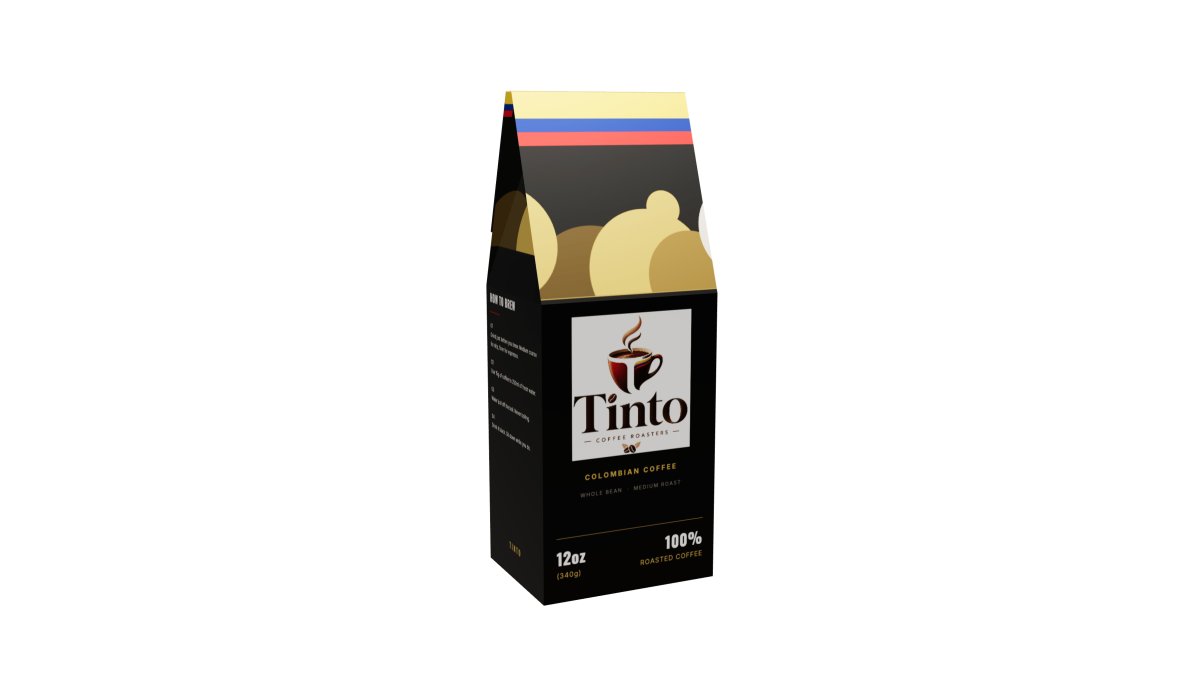
Easy Coffee Brewing at Home: Simple Methods That Feel Special
Easy coffee brewing at home comes down to three methods anyone can master: drip, French press, and cold brew. Each feels intentional when the beans are good and the ratios are right.
Drip, French Press, and Cold Brew Without the Fuss
Drip is the workhorse: use a standard grind, one to two tablespoons per six ounces of water, and brew between 195 and 205 degrees Fahrenheit.
French press rewards a coarse grind and four minutes of patience, delivering a fuller body than drip. Cold brew is the opposite of fast: a one-to-four ratio steeped twelve to twenty-four hours produces a smooth concentrate that keeps for days.
What Makes Premium Coffee Brands Stand Out in a Crowded Market
Premium coffee brands stand out through consistency, transparency, and a clear point of view, not packaging alone. Anyone can print "small batch" on a bag; fewer can prove the roast date, name the farm, and deliver the same flavor every time.
That is the gap most commodity brands leave open. They compete on price because they have nothing else to offer. Premium brands compete on the experience of the cup itself.
The Four Levers of Everyday Luxury in Beverage Retail
Most retailers treat luxury as a visual exercise: marble counters, matte-black packaging, a script font. That produces inspiration, not repeat purchase.
1. Assortment architecture. A luxury beverage retailer does not stock forty SKUs.
**2.
3. Service as ritual design. The counter interaction is where the everyday ritual is reinforced or broken.
4. Store experience that matches the cup. Lighting, music tempo, and the smell of freshly ground coffee do more work than signage.
Customer Segments and Purchase Occasions
The everyday luxury experience differs by who is buying and why:
- Commuters. They want speed, a consistent cup, and a format that survives a bag or a car. Single-serve pods and pre-ground bags win here; the luxury signal is reliability, not novelty.
- At-home coffee drinkers. They want control, freshness, and guidance. Whole bean with a roast date, a brew-ratio card, and a grinder recommendation convert this group into subscribers.
- Gift buyers. They want presentation, a story, and a thoughtful price point. Bundles and gift sets outperform single bags here.
- Premium treat seekers. They want novelty and a reason to slow down. Limited-run single origins, tasting flights, and seasonal blends serve this occasion.
Mapping assortment, merchandising, and service to these four segments replaces aesthetic guesswork with a repeatable retail strategy.
Pricing, Margins, and Value Perception in Luxury Coffee Retail
Pricing in luxury coffee retail works differently than in commodity coffee: customers pay for freshness, origin, and the confidence that the cup will be good every time.
Value perception is built before the first sip.
Margins hold up because these customers compare experiences, not prices. A bag that consistently delivers a smooth, black-drinkable cup earns repeat purchases a cheaper bag cannot match.
Sourcing, Provenance, and Sustainability That Customers Can Verify
Sourcing claims only matter if customers can verify them. "Ethically sourced" means nothing on its own; trust comes from specificity, which farms, which regions, and what the brand can actually show. Colombian coffee grown at altitude carries a distinct profile, and buyers who care about provenance want beans from real farms rather than a blended commodity supply.
This is where the everyday coffee experience connects back to values: a customer who knows where the beans came from is more likely to treat the daily cup as worth paying attention to.
What Verifiable Provenance Actually Looks Like
Verification is a chain, not a label. A credible provenance story includes four elements:
- Farm or cooperative name and region. Not just "Colombia," but a named farm, cooperative, or growing region such as Huila or Nariño.
- Altitude and variety. Growing altitude and botanical variety (Bourbon, Caturra, Castillo, Gesha) shape flavor and are commonly listed on specialty green coffee contracts. If a supplier cannot state them, the "single origin" claim is thin.
- Processing method. Washed, natural, honey, and anaerobic processes change the cup dramatically. Naming the process signals that the roaster understands the lot, not just the country.
- Roast date and lot code. A roast date is the single most verifiable freshness claim a retailer can make. A lot code lets a customer trace a bag back to a specific roast.
None of these require a certification, just a supplier willing to share documentation and a retailer willing to print it.
Sustainability Claims and the Risk of Overreach
Sustainability is where premium coffee brands most often overpromise. Broad terms like "eco-friendly" or "ethically sourced" invite skepticism because they are unverifiable. Defensible claims are narrower:
- Direct or relationship sourcing. Stating that beans are purchased directly from a named producer or cooperative, with a multi-year relationship, is a concrete claim a retailer can stand behind.
- Packaging choices. Recyclable or compostable packaging, or a refill program, is verifiable at the point of sale because the customer can see and handle it.
- Roast-to-order freshness. Roasting to order reduces waste from unsold inventory, a sustainability argument customers understand without a certification.
Premium roasters typically lead with one verifiable claim rather than a list of vague virtues: one checkable statement builds more trust than five aspirational ones.
Communicating Provenance at the Shelf
Provenance only affects purchase if it is visible at the moment of decision:
- A bag card or shelf talker that names the farm, region, altitude, and process in plain language.
- A roast-date stamp on every bag, not just a "best by" date.
- A short origin story, two or three sentences, explaining why this lot was chosen.
- A QR code or short link to the full lot details, so the customer can verify rather than take the claim on faith.
These tactics cost little and convert a sourcing story into a reason to pay a premium, while giving staff something concrete to say when a customer asks why a bag costs more.
Measuring Whether the Experience Is Working
A provenance and experience strategy is only as good as the numbers behind it. Track a few indicators to see whether the everyday luxury positioning translates into behavior:
- Conversion rate on the premium tier versus the commodity tier.
- Average order value, especially when a bundle or gift set is added.
- Repeat purchase rate within 30 and 90 days, the clearest signal that the everyday ritual is sticking.
- Customer satisfaction at the counter and in post-purchase surveys, focused on taste consistency and staff helpfulness.
- Attach rate on brew tools, filters, and accessories, which indicates whether customers are investing in the ritual at home.
Watching these five indicators tells a retailer whether a premium price is being earned or merely charged.
Conclusion: Building a Simple, Everyday Coffee Experience That Lasts
The challenge in luxury coffee retail is making a premium cup feel effortless rather than fussy. Customers want the ritual without the complexity, and that balance separates brands people return to from brands they try once.
Tinto Coffee Roasters was built for exactly this. We roast to order within 48 hours, source small-batch Colombian beans graded for flavor consistency, and offer whole bean, ground, and single-serve pods so the everyday cup fits whatever your morning looks like.
Get started with Tinto Coffee Roasters and make your daily cup a moment worth having.
Frequently Asked Questions
How can you make everyday coffee feel more luxurious?
Start with freshly roasted beans, like Tinto's small-batch Colombian arabica roasted to order within 48 hours. Use a simple brewing method you enjoy, such as a drip machine or French press. Serve it in a mug that feels good to hold. The luxury comes from the ritual, not the equipment. Small touches like warming your mug or taking a moment to smell the coffee before you drink it turn a daily habit into a moment worth having.
What makes a coffee brand feel premium?
Premium coffee brands earn that label through transparent sourcing, consistent quality, and fresh roasting. Look for roast dates, origin details, and whether the beans are graded for flavor consistency. Tinto Coffee Roasters, for example, roasts to order and seals each bag for freshness. Price alone does not signal premium. What matters is whether the coffee delivers a noticeably better cup and whether the brand can show you why.
Are single-serve coffee pods as good as freshly ground coffee?
Single-serve pods can match freshly ground coffee when they use quality beans and are oxygen-sealed for freshness. Tinto's Sophia pods use single-origin Colombian beans grown at altitude and small-batch roasted, then sealed to preserve flavor. The trade-off is usually variety and control over strength. If convenience matters most in your morning routine, a well-made pod delivers a consistent cup in under a minute without sacrificing taste.
How do you choose coffee for a simple daily routine?
Match the coffee to how you actually brew. If you use a drip machine, standard grind works well. For French press, choose coarse grind. If you want zero effort, single-serve pods are the simplest option. Buy from a brand that roasts to order so the beans arrive fresh. Tinto offers whole bean, ground, and pod options, so you can pick the format that fits your morning without changing your routine.
Specialty Coffee Association's standards and research on brewing and quality
USDA organic certification program details
Fair Trade Certified sourcing standards