

Table of Contents
- The Real Cost Per Cup: Expensive Coffee vs. Commodity Coffee
- Specialty Coffee vs. Supermarket Coffee: What Actually Changes in Your Cup
- Where Your Money Goes: Origin, Processing, and Supply Chain Transparency
- Best Single Serve Coffee Pods Review: Convenience Without the Compromise
- The Law of Diminishing Returns: When Expensive Coffee Stops Being Worth It
- How to Taste the Difference: A Simple Blind Test You Can Run at Home
- Frequently Asked Questions
Last Updated: September 14, 2026
The Real Cost Per Cup: Expensive Coffee vs. Commodity Coffee
Is expensive coffee actually worth it? For most daily drinkers, yes, if the gap is roughly a dollar or two per cup and you drink coffee often enough to notice. Price per pound tells you almost nothing until you divide it by the cups that pound produces.
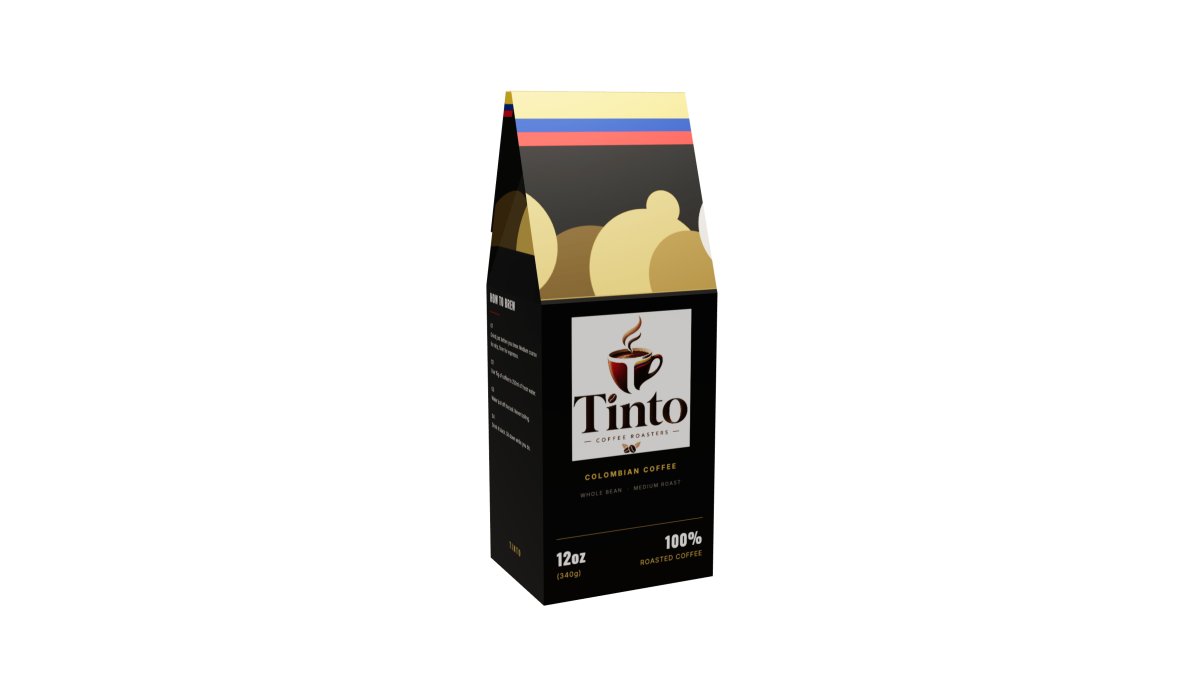
A 12-ounce bag yields roughly 16 to 20 cups at a standard 1-to-2 tablespoon dose, so a $24.99 bag from a roaster like Tinto Coffee Roasters lands near $1.25 to $1.55 per cup. A cheaper mass-market can often costs more per cup, since stale beans need a heavier dose to taste like anything.

This guide from Tinto Coffee Roasters breaks down where the money goes, origin, processing method, roast date, supply chain transparency, plus how to run your own cost-per-cup comparison and a blind taste test that settles the question for your palate.
Specialty Coffee vs. Supermarket Coffee: What Actually Changes in Your Cup
Specialty coffee is defined by a cupping score of 80+ on the Specialty Coffee Association's 100-point scale, graded by licensed Q graders who evaluate flavor, acidity, body, and mouthfeel (Standards). Supermarket commodity coffee falls well below that threshold, which is why the flavor difference is measurable, not subjective.
The practical differences come down to four variables:
| Factor | Specialty Coffee | Supermarket Coffee |
|---|---|---|
| Cupping score | 80+ (SCA graded) | Below specialty threshold |
| Roast date | Printed, often within days | Rarely printed at all |
| Origin transparency | Farm, altitude, varietal listed | Blended, origin vague |
| Processing method | Washed, natural, honey, specified | Typically unspecified |
That table explains most of the price gap: a single-origin Colombian arabica grown at high altitude and processed with a specific method costs more at every step than a blended commodity lot.
Freshness, Roast Dates, and the Degassing Window
Roast date matters more than most buyers realize. Coffee releases carbon dioxide for roughly 4 to 12 days after roasting, degassing (Carbon monoxide emission rates from roasted whole bean and ground coffee). Brew too early and the gas interferes with even extraction; too late and oxidation has flattened the flavor notes.
A common mistake is buying beans with no roast date. If the bag only says "best by," you can't know whether you're drinking coffee roasted three weeks or three months ago. Tinto Coffee Roasters roasts to order and ships within 48 hours, putting the bag in your kitchen inside that degassing window.
Where Your Money Goes: Origin, Processing, and Supply Chain Transparency
Supply chain transparency means publishing where coffee was grown, how it was processed, and who was paid. When a bag lists the farm, altitude, and processing method, you can trace the premium to a specific link in the chain. When it doesn't, you're paying for a story with no receipts.
A bag's price is the sum of six cost centers. Understanding them is the fastest way to tell a justified premium from a marketing one.
| Cost center | What drives it up | What it looks like on a cheap bag |
|---|---|---|
| Green coffee price | Cultivar, altitude, cupping score, lot size | Blended commodity lots, no varietal listed |
| Labor at origin | Selective hand-picking of ripe cherries only | Strip-picking, unripe fruit included |
| Processing | Washed, natural, honey, anaerobic, each adds time and labor | Unspecified, usually the cheapest method available |
| Sorting and grading | Defect removal by hand or optical sorter | Minimal sorting, higher defect tolerance |
| Roasting | Small-batch, profile development, roast-to-order | High-volume continuous roasting, long shelf life |
| Packaging and logistics | One-way degassing valve, oxygen barrier, fast shipping | Standard bag, no valve, slow distribution |
Altitude and cultivar. Arabica grown above roughly 1,200 meters matures more slowly, concentrating sugars and acids. That slower maturation is why high-altitude lots are picked in narrow windows and cost more to harvest, a single-origin Colombian arabica grown at high altitude and processed with a specific method carries more cost at every step than a blended commodity lot, because of time, labor, and yield.
Processing method is where cost and flavor diverge most. Washed beans are depulped and fermented before drying, producing clean acidity and clarity. Natural beans dry inside the fruit, taking longer and requiring more labor but building heavier body and fruit-forward notes; honey sits between the two. A natural-process lot can take two to four times as long to dry as a washed lot, labor the roaster pays for.
Direct trade vs. fair trade. Both aim to raise farmer compensation above commodity rates, though differently: fair trade sets a floor price through certification, while direct trade relies on roaster-to-farmer relationships with negotiated premiums. Neither guarantees better coffee, but both make the money trail visible. The practical test: can you name the farm, region, and processing method from the bag alone? If yes, traceability is possible; if no, the premium is going somewhere you can't verify.
The Specialty Coffee Association's cupping standards define how graders score these attributes, which is why a cupping score is a more useful signal than a marketing claim on the front of a bag.
Best Single Serve Coffee Pods Review: Convenience Without the Compromise
Single-serve pods have a partly deserved reputation problem, earned through stale pre-ground coffee, weak extraction, and packaging waste. The format isn't the problem, most pods are built to a price, not a standard.
A good pod fixes three things: the coffee inside, the seal, and the extraction. "The Sophia" Colombian Pods from Tinto Coffee Roasters use single-origin Colombian beans grown at altitude, small-batch roasted, and oxygen-sealed, and the pod is engineered for full, even extraction, the part budget pods skip. You get a cup in under a minute without grinding, weighing, or cleaning a burr grinder.
If you're comparing formats, here's how the Tinto lineup breaks down by use case:
| Product | Price | Format | Best For |
|---|---|---|---|
| "The Sophia" Colombian Pods | $24.99 | Single-serve pod | Busy mornings, single-cup machines |
| Tinto Coffee Bag | $24.99 | Whole bean or ground | Drip, French press, pour over, espresso |
| Tinto Tube | $24.99 | 54g ground, portable | Travel, office, gym bag |
| Dos Orígenes | $19.99 | Single-serve pod, 11g | Everyday medium roast with depth |
| Blonde | $22.99 | Blend | Sweet espresso |
| Functional Mushroom | $29.99 | Ground, 12 oz box | Drip and pour over with added depth |
The convenience argument for pods holds up only if the coffee inside is fresh. A stale pod is just an expensive way to drink bad coffee quickly.
The Law of Diminishing Returns: When Expensive Coffee Stops Being Worth It
Diminishing returns kick in when the next dollar buys less flavor, not more. Commodity to specialty is a large jump; a well-roasted $25 bag to a $60 competition lot is a much smaller one, invisible to most drinkers without training.
The honest answer to "is expensive coffee actually worth it" depends on how often you drink it, how you brew it, and whether you can taste the difference. Two cups a day compounds a modest per-cup premium into real money over a year; brewing once a week on a drip machine lowers the ceiling on what you'll notice.
The Home Barista Skill Ceiling
The home barista skill ceiling is the point where brewing technique, not bean quality, becomes the limiting factor, the most overlooked variable in this debate.
A $25 bag brewed with a blade grinder, an uncalibrated drip machine, and tap-temperature water tastes worse than a $15 bag brewed with a burr grinder and a controlled pour. Grind consistency, water between 195°F and 205°F, and brew ratio do more for extraction yield than origin does at the margins.
If you're coming from pre-ground supermarket coffee, expect the biggest single upgrade to be a burr grinder, not a more expensive bag.
Storage and Shelf-Life: The Silent Value Killer
This is the gap most coffee writing skips, and it's why many buyers conclude premium beans weren't worth it: improper storage negates the value of expensive beans faster than any other variable.
Four enemies degrade roasted coffee: oxygen, moisture, heat, and light. An open bag on the counter, a hopper in daylight, or a freezer bag pulled in and out of the cold all accelerate staling. The rules:
- Keep beans in an opaque, airtight container with a one-way degassing valve.
- Store at room temperature, away from the stove and the window.
- Buy in quantities you'll finish within two to four weeks of the roast date.
- If you freeze, freeze in single-use portions and never refreeze.
A $25 bag stored badly for three weeks tastes like a $12 bag. That's a storage problem, not a bean problem, and the most common reason the premium feels wasted.
A Cost-Per-Cup Framework for Your Own Cutoff
The decision isn't "cheap vs. expensive." It's "what's my per-cup ceiling, and does the next tier clear it?" Run the math on your own habits:
- Note the bag price and the roast date.
- Estimate cups per bag (a 12-ounce bag yields roughly 16 to 20 cups at a standard dose).
- Divide price by cups to get your per-cup cost.
- Compare that number to what you'd pay for a comparable cafe drink.
- Decide whether the per-cup premium is worth the flavor jump you actually taste.
Most daily drinkers find the sweet spot in the middle tier, a fresh, traceable single-origin at a moderate per-cup cost, rather than the top of the market. The top tier is worth it for occasional drinking or competition-style tasting, or once you've solved grind, water, and storage. Until those three are handled, the ceiling on what you'll notice is lower than the price tag suggests.
How to Taste the Difference: A Simple Blind Test You Can Run at Home
A blind taste test settles the worth-it question faster than any review. You need two coffees, two identical mugs, and someone to label them out of your sight.
Run it this way:
- Brew both coffees identically: same grind, same water temperature, same dose, same brew time.
- Label the mugs A and B on the bottom, out of view.
- Taste both black, at the same temperature, without food.
- Note acidity, body, mouthfeel, and flavor notes separately before comparing.
- Repeat the next morning with the labels swapped.
- Pick a winner only after two rounds.
Most people can identify a difference but not always a preference. That's useful: the premium is real but not automatically worth it for your palate, which saves you from buying on reputation alone.
Tasting notes on a bag are a starting point, not a promise. Your equipment and water chemistry shift what you taste, which is why the blind test beats reading reviews.
The challenge with premium coffee isn't finding good beans, it's finding a roaster whose freshness you can actually verify and whose sourcing you can trace. Tinto Coffee Roasters roasts to order within 48 hours, sources small-batch Colombian arabica graded for quality and flavor consistency, and backs every order with a satisfaction guarantee. Whether you want whole bean, ground, or single-serve pods, the goal is the same: a cup simple enough to make every morning and good enough to drink black. Get started with Tinto Coffee Roasters and taste what roast-to-order actually changes in your daily cup.
Frequently Asked Questions
Can the average person actually taste the difference between cheap and expensive coffee?
Yes, most people can in a side-by-side comparison, especially with black coffee. The difference shows up in acidity, body, and mouthfeel. Supermarket beans often taste flat or bitter because they were roasted months ago and have gone stale. Fresh specialty coffee has clearer flavor notes and a smoother finish. Try a blind test: brew both and see which one you reach for second.
Does roast-to-order coffee justify a higher price point?
Roast-to-order coffee ships within days of roasting, so you get it during the degassing window when flavor peaks. Supermarket coffee may sit in a warehouse for months before it reaches the shelf. Tinto Coffee Roasters roasts to order within 48 hours and seals each bag for freshness. That freshness is a real difference you can taste, not just a marketing claim.
How does the supply chain affect the cost of premium coffee?
Direct trade and fair trade premiums pay farmers more for higher-quality cherries, which raises the base cost. Add selective picking, careful processing methods like washed or natural, and small-batch roasting, and the price climbs. Commodity coffee cuts those steps to hit a lower price. Supply chain transparency lets you see where that extra money goes.
What are the sensory markers of high-quality coffee?
Look for clarity in the cup, balanced acidity, and a finish that lingers without turning bitter. High-quality coffee often has distinct flavor notes like cocoa, citrus, or stone fruit. Body and mouthfeel feel round rather than thin. A cupping score above 80 usually signals specialty grade. You do not need fancy equipment to notice these markers, just fresh beans and consistent brewing.