

Table of Contents
- Why Colombian Coffee Stands Out for Health
- Colombian Coffee Antioxidants and Bioactive Compounds
- Colombian Coffee Caffeine Content and Mental Clarity
- Cardiovascular and Metabolic Benefits
- How Much Coffee Is Safe to Drink Daily
- Black Coffee Benefits and Preparation
- Who Should Limit or Avoid Colombian Coffee
- Frequently Asked Questions
Last Updated: October 17, 2026
Why Colombian Coffee Stands Out for Health
Colombian coffee has a strong reputation for quality, and claims about Colombian coffee health benefits often get stretched beyond what the evidence fully supports. The honest starting point is this: most of what researchers know about coffee and health comes from studies of coffee generally, not from head-to-head comparisons of Colombian coffee against coffee from other origins. Colombian coffee can absolutely be part of a healthy diet, but the case for it is built on three separate things that are worth keeping distinct.
First, the general coffee evidence. Large observational studies and systematic reviews have associated moderate coffee consumption with lower risk of type 2 diabetes, Parkinson's disease, and some cardiovascular outcomes (pubmed.ncbi.nlm.nih.gov). Those findings apply to coffee as a beverage category. They are not proof that Colombian beans outperform beans from Ethiopia, Brazil, or Sumatra. When you see a headline saying coffee reduces disease risk, read it as a statement about coffee, not about a specific origin.
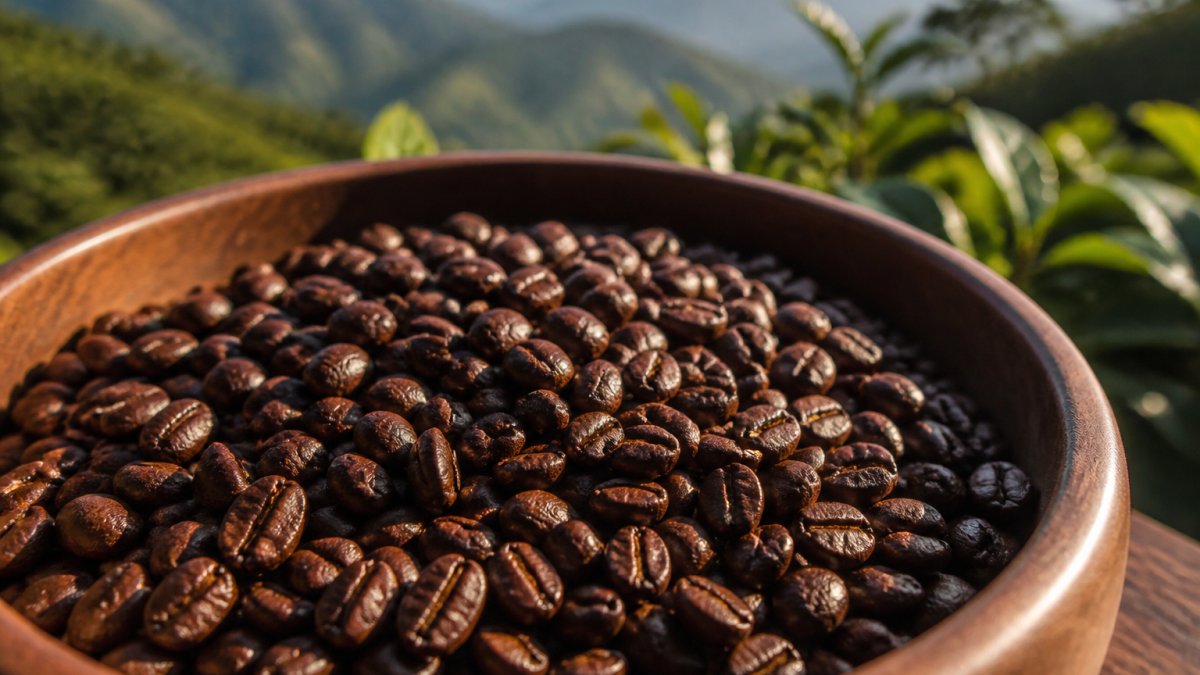
Second, what is actually distinctive about Colombian growing conditions. Colombian Arabica is typically grown at high elevations, often between roughly 4,000 and 6,500 feet depending on the region, where cooler temperatures slow cherry maturation. That slower ripening contributes to the dense bean structure and flavor complexity that Colombian coffee is known for. It may also influence the concentration of chlorogenic acids and other polyphenols, but the direct comparative evidence is limited. A peer-reviewed study on Colombian Arabica has reported compound profiles of interest, yet the research base does not support a blanket claim that Colombian coffee is meaningfully higher in beneficial compounds than all competitors. Altitude, variety, roast level, and processing all move those numbers, and origin is only one variable.
Third, the quality and freshness effect. The most reliable health advantage of specialty Colombian coffee may be indirect. Coffee that tastes good and is roasted fresh is coffee people actually drink black, without loading it with sugar and cream. A smooth, balanced cup lowers the temptation to add calories. That is a real behavioral benefit, even if it is not a biochemical one.
Colombian coffee is a high-quality vehicle for the well-documented benefits of coffee generally. Treat origin as a flavor and quality signal, not as a health guarantee, and judge any specific bag by its roast date, processing method, and how you brew it.
Colombian Coffee Antioxidants and Bioactive Compounds
Colombian coffee contains compounds that combat oxidative stress in your body. The primary player is chlorogenic acid, a polyphenol that makes up roughly 5-8% of the coffee bean's dry weight.
Beyond chlorogenic acid, Colombian coffee contains caffeic acid, ferulic acid, and other phenolic compounds that work synergistically. These aren't isolated lab chemicals; they're naturally occurring compounds that have been part of the human diet for centuries.
The roasting process affects these compounds, but not in the way many assume. Light and medium roasts preserve more chlorogenic acid, while darker roasts develop different beneficial compounds through the Maillard reaction. Neither is inherently superior, they're simply different. A medium roast Colombian coffee offers a balance: you retain significant chlorogenic acid while gaining the antioxidant benefits of roasting byproducts.
Colombian Coffee Caffeine Content and Mental Clarity
A typical 8-ounce cup of Colombian coffee contains between 95 and 200 milligrams of caffeine, depending on brewing method and bean variety. This range matters because it affects how your body responds. The caffeine in Colombian coffee works by blocking adenosine receptors in your brain, which reduces the sensation of fatigue and increases alertness.
What distinguishes Colombian coffee is the smoothness of the caffeine delivery. You get mental clarity without the jitters that come from lower-quality coffee.
Cardiovascular and Metabolic Benefits
The relationship between coffee and heart health has shifted dramatically over the past decade. What was once considered risky is now understood as potentially protective. Colombian coffee may offer cardiovascular benefits through several mechanisms.
Chlorogenic acid and other polyphenols in Colombian coffee can help regulate blood sugar levels. This matters because blood sugar spikes trigger inflammatory responses that damage arterial walls over time. Regular consumption of Colombian coffee may help maintain more stable blood glucose, reducing strain on your cardiovascular system.
The metabolic effects are also worth noting. Coffee consumption increases thermogenesis, the calories your body burns to process heat. This effect is modest but real: regular coffee drinkers show slightly elevated resting metabolic rates. When combined with the appetite-suppressing effects of caffeine, Colombian coffee can support weight management efforts.
How Much Coffee Is Safe to Drink Daily
Most health guidance suggests that up to 400 milligrams of caffeine daily is safe for healthy adults (the FDA). That translates to roughly two cups of Colombian coffee, though individual tolerance varies significantly. Some people metabolize caffeine quickly and feel fine with more; others are sensitive and do better with less.
The key variable is your personal caffeine sensitivity, which is largely genetic. If you sleep well, don't experience jitters, and feel energized without anxiety, your current intake is probably appropriate. If you're sensitive to caffeine, consuming Colombian coffee earlier in the day helps, caffeine has a half-life of about five hours, meaning half of what you consume is still in your system five hours later.
Pregnant individuals should limit caffeine to 200 milligrams daily or less (value is what Coveo indexes and uses as the title in Search Results.--> <title>Moderate...). Those with certain heart conditions or anxiety disorders may need to avoid or significantly reduce coffee consumption. The caffeine component isn't suitable for everyone.
| Daily Caffeine Limit | Amount of Colombian Coffee | Timing Recommendation |
|---|---|---|
| 400 mg (healthy adults) | Up to 2 cups | Before 2 PM |
| 200 mg (pregnant individuals) | Up to 1 cup | Morning only |
| Sensitive to caffeine | ½ to 1 cup | Early morning |
| Heart conditions | Consult healthcare provider | As directed |
Black Coffee Benefits and Preparation
How you prepare Colombian coffee changes what you actually drink more than most people realize. The same beans can deliver a modest 95 mg of caffeine or closer to 200 mg per 8-ounce cup depending on grind, ratio, and brew method, and the difference between a filtered and an unfiltered cup matters for compounds beyond caffeine.
Caffeine varies by method and bean. A standard 8-ounce drip cup typically lands around 95 to 165 mg. Cold brew concentrate can run considerably higher per serving because of the higher coffee-to-water ratio. Espresso is concentrated but served small: a single 1-ounce shot usually contains about 60 to 75 mg, so a double shot in a milk drink can approach a full drip cup.
Filtration affects more than clarity. Unfiltered methods such as French press and Turkish coffee carry more of the oily diterpenes cafestol and kahweol. Paper-filtered drip and pour-over remove most of those oils. That does not make French press unhealthy, but if you drink several unfiltered cups a day and have elevated cholesterol, switching to a paper filter is a low-effort change worth discussing with your clinician.
Roast level shifts the compound balance. Light and medium roasts tend to retain more chlorogenic acid, while darker roasts develop different antioxidant compounds through the Maillard reaction and generally taste less acidic. Neither is superior; they are trade-offs. A medium roast is a reasonable middle ground for people who want both the chlorogenic acid content of a lighter roast and the smoother flavor of a darker one.
Additives are where calories and sugar sneak in. Black coffee has essentially zero calories. A tablespoon of heavy cream adds about 50 calories, a tablespoon of sugar about 48, and a flavored syrup pump can add 20 to 25 calories of mostly sugar. A daily large latte with whole milk and syrup can exceed 250 calories, which quietly offsets the metabolic benefits people are hoping for. If you want dairy, a splash of milk is a different drink from a dessert beverage.
A practical brewing baseline. Use filtered water at 195 to 205 degrees Fahrenheit, a ratio around 1:15 to 1:17 coffee to water by weight, and a grind matched to your method: medium-fine for pour-over, medium for drip, coarse for French press. Freshness matters for compounds as well as flavor, so check the roast date. Our roast-to-order Colombian coffee ships within 48 hours of roasting, and the oxygen-sealed Sophia Colombian pods are a consistent option when convenience wins.
If you take medications for blood pressure, anxiety, depression, or sleep, or if you are pregnant, review your caffeine intake with a pharmacist or clinician. Preparation changes the dose, and the dose is what matters.
| Brew Method | Typical Caffeine per 8 oz | Diterpene Level | Notes |
|---|---|---|---|
| Paper-filter drip | 95-165 mg | Low | Removes most cafestol and kahweol |
| Pour-over | 95-165 mg | Low | Paper filter, similar profile to drip |
| French press | 95-165 mg | High | More oils and fine particles |
| Espresso | 60-75 mg per 1 oz shot | Moderate | Small serving, concentrated |
| Cold brew | Varies widely | Low-moderate | Depends on dilution ratio |
Who Should Limit or Avoid Colombian Coffee
Certain populations should approach Colombian coffee cautiously or avoid it entirely. Individuals with uncontrolled high blood pressure should monitor their intake, as caffeine can temporarily elevate blood pressure. Those with acid reflux or GERD may find that coffee, even smooth Colombian varieties, triggers symptoms because of its acidity and stimulant effects on stomach acid production.
People taking certain medications need to be aware of interactions. Medications for anxiety, depression, or sleep disorders can interact with caffeine, reducing their effectiveness or causing adverse effects. If you're on prescription medication, a quick conversation with your pharmacist about coffee consumption is worth the time.
Individuals with a family history of heart arrhythmias should be cautious, as excessive caffeine can trigger irregular heartbeats in susceptible people. Those who experience panic attacks or anxiety disorders often find that caffeine worsens symptoms. For these populations, the caffeine component outweighs those benefits.
Children and adolescents metabolize caffeine differently than adults. The American Academy of Pediatrics recommends that children under 12 avoid caffeine entirely, and adolescents limit intake to 100 milligrams or less daily. This isn't because Colombian coffee is uniquely problematic, it's because developing nervous systems are more sensitive to stimulants.
The Colombian coffee health benefits are real, but they're also proportional to how you consume it. A single cup of quality Colombian coffee delivers antioxidants and compounds. The key is consistency and moderation, regular consumption of two cups daily, drunk black or with minimal additions, maximizes benefits while minimizing risks.
At Tinto Coffee Roasters, we believe that your daily cup should be something worth having. Our Colombian beans are roasted to order within 48 hours and graded for quality consistency. Whether you prefer whole beans, ground coffee, or the convenience of single-serve Colombian coffee pods, you're starting with beans grown at altitude in regions where Colombian coffee achieves its distinctive profile. Get started with Tinto Coffee Roasters and experience the difference that premium, fresh-roasted Colombian coffee makes in your daily routine.
Frequently Asked Questions
Does Colombian coffee have unique health benefits compared to other coffee?
Colombian coffee contains high levels of polyphenols and chlorogenic acid, compounds that develop during the bean's growth at high altitude. While all coffee contains antioxidants, Colombian Arabica beans grown in mountainous regions produce these bioactive compounds. The difference comes from growing conditions and processing methods specific to Colombian coffee farms, not just the bean variety itself.
How much caffeine is in a cup of Colombian coffee?
A standard 8-ounce cup of Colombian coffee contains approximately 95-200 mg of caffeine, depending on brewing method and roast level. Lighter roasts typically have slightly more caffeine than darker roasts. Single-serve pods like The Sophia deliver consistent caffeine content per cup, making it easier to track your daily intake if you're monitoring caffeine sensitivity or managing energy levels throughout your day.
What is the safest amount of coffee to drink daily?
The FDA recommends that healthy adults consume no more than 400 mg of caffeine per day, which equals roughly 4 cups of brewed coffee. Most people tolerate this amount without adverse effects. However, individual sensitivity varies based on body weight, medications, and caffeine metabolism. If you experience jitteriness, sleep disruption, or anxiety, reduce your intake. Pregnant individuals should consult their healthcare provider about caffeine limits.
Is black Colombian coffee good for weight management?
Black coffee contains virtually no calories and includes compounds that may support metabolism. Drinking black coffee without added sugars or cream preserves these potential benefits. However, coffee alone does not cause weight loss, it works best as part of a balanced diet and exercise routine. The consistency of fresh, quality coffee from small-batch roasters like Tinto ensures you're getting maximum bioactive compounds in every cup.